


Pcv



Joined: Oct 2007
Posts: 6,029
Total Cats: 304
From: The coal ridden hills of Pennsylvania

The purpose of the pcv valve is to allow vacuum to be pulled from the crankcase, which is a necessity. However, oil vapor (and depending on how worn your rings are), oil can get into your intake. The purpose of the catch can is to keep oil/ oil vapor out of your intake. The oil won't enter the catch it by itself though, you have to mimick how the pcv system works. This has been done many ways on this site. Easiest way I'd say to do it is use that drawing, but make a baffle on the catch can before the pcv so no oil or vapor can go through the pcv. Then hook pcv to the intake.
Or do like I did and run a slash cut and use the exhaust to pull the vacuum.
Or do like I did and run a slash cut and use the exhaust to pull the vacuum.
Reply
 0
0

0

The purpose of the pcv valve is to allow vacuum to be pulled from the crankcase, which is a necessity. However, oil vapor (and depending on how worn your rings are), oil can get into your intake. The purpose of the catch can is to keep oil/ oil vapor out of your intake. The oil won't enter the catch it by itself though, you have to mimick how the pcv system works. This has been done many ways on this site. Easiest way I'd say to do it is use that drawing, but make a baffle on the catch can before the pcv so no oil or vapor can go through the pcv. Then hook pcv to the intake.
Or do like I did and run a slash cut and use the exhaust to pull the vacuum.
Or do like I did and run a slash cut and use the exhaust to pull the vacuum.
Reply
0
0

Thread Starter
Junior Member
Joined: Jul 2016
Posts: 128
Total Cats: -59
From: pembroke pines, florida
The purpose of the pcv valve is to allow vacuum to be pulled from the crankcase, which is a necessity. However, oil vapor (and depending on how worn your rings are), oil can get into your intake. The purpose of the catch can is to keep oil/ oil vapor out of your intake. The oil won't enter the catch it by itself though, you have to mimick how the pcv system works. This has been done many ways on this site. Easiest way I'd say to do it is use that drawing, but make a baffle on the catch can before the pcv so no oil or vapor can go through the pcv. Then hook pcv to the intake.
Or do like I did and run a slash cut and use the exhaust to pull the vacuum.
Or do like I did and run a slash cut and use the exhaust to pull the vacuum.
Reply
0
0


For a basic street car, just add a check valve in the hose between PCV valve and intake manifold. Leave exhaust side hose connected from the valve cover, to a location between intake filter and Turbo. If no line on that side, add a little filter.
Add catch cans on track cars or those with worn out engines and massive blow by.
Add catch cans on track cars or those with worn out engines and massive blow by.
Last edited by DNMakinson; Oct 31, 2016 at 09:24 AM. Reason: Changed "head'" to "valve cover"
Reply
0
0


Joined: Apr 2014
Posts: 18,643
Total Cats: 1,870
From: Beaverton, USA
Like 25% of my build thread is screwed.
Someone should complain and get it fixed.
Just bug he loves dealing with that ****.
Reply
0
0
Joined: Oct 2007
Posts: 6,029
Total Cats: 304
From: The coal ridden hills of Pennsylvania
I know it's way late, I apologize. Since 9/5, things just have been "interesting" for me.
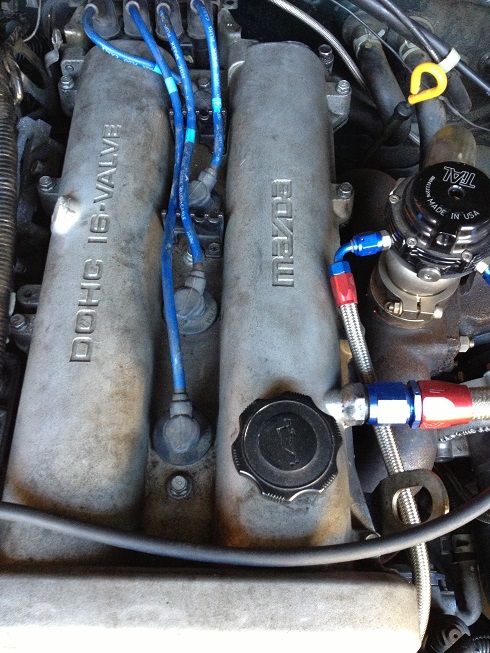
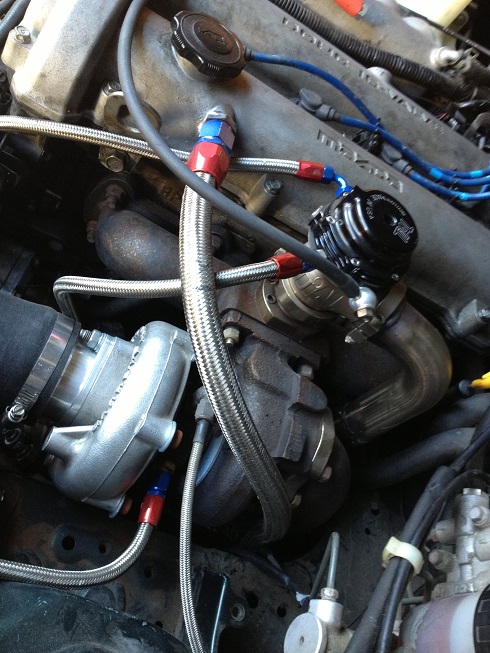
Here are 2 photos of my modified valve cover. I welded the PCV shut, the breather I put a vise grip on and wiggled it out, then I drilled and tapped for a (can't remember the NPT thread size) to -12AN adapter. Which I then threaded into the valve cover, and welded it for sealing and strength. The line runs along my downpipe, where I have a slash cut welded into with a check valve.
If you choose to do this, I think it works very well. Suggestions: When you take off the valve cover to drill and tap/ weld, take out the phillips screws on the baffle cover, and cut a piece of scotch brite type material to put in there. Then put the cover back on and the screws back in. My reasoning is, I think this setup actually pulls a lot of vacuum, with could cause a lot of oil to end up in your exhaust due to unrestricted factory valve cover baffling.
Any questions or comments, lay em on me!
Here are 2 photos of my modified valve cover. I welded the PCV shut, the breather I put a vise grip on and wiggled it out, then I drilled and tapped for a (can't remember the NPT thread size) to -12AN adapter. Which I then threaded into the valve cover, and welded it for sealing and strength. The line runs along my downpipe, where I have a slash cut welded into with a check valve.
If you choose to do this, I think it works very well. Suggestions: When you take off the valve cover to drill and tap/ weld, take out the phillips screws on the baffle cover, and cut a piece of scotch brite type material to put in there. Then put the cover back on and the screws back in. My reasoning is, I think this setup actually pulls a lot of vacuum, with could cause a lot of oil to end up in your exhaust due to unrestricted factory valve cover baffling.
Any questions or comments, lay em on me!
Reply
0
0

Joined: Apr 2014
Posts: 18,643
Total Cats: 1,870
From: Beaverton, USA
Read more. You don't have an understanding of the system.
PCV stands for positive crank case ventilation. You are currently applying no vaccum to the engine, so its just CV (crankcase ventilation)
when in vacuum the intake pulls a vacuum on the valve cover and can suck in oil, so thats why you put a separator there.
PCV stands for positive crank case ventilation. You are currently applying no vaccum to the engine, so its just CV (crankcase ventilation)
when in vacuum the intake pulls a vacuum on the valve cover and can suck in oil, so thats why you put a separator there.
Reply
0
0

Elite Member
Joined: Sep 2015
Posts: 1,939
Total Cats: 118
From: San Jose, CA
your right. I do need to read more. so I need to hook up the breather side of the catch to the intake manifold. I wonder why the forum that I used to build the can said to just run a breather?
Reply
0
0
Elite Member
Joined: Sep 2015
Posts: 1,939
Total Cats: 118
From: San Jose, CA
Reply
0
0


