When you click on links to various merchants on this site and make a purchase, this can result in this site earning a commission. Affiliate programs and affiliations include, but are not limited to, the eBay Partner Network.
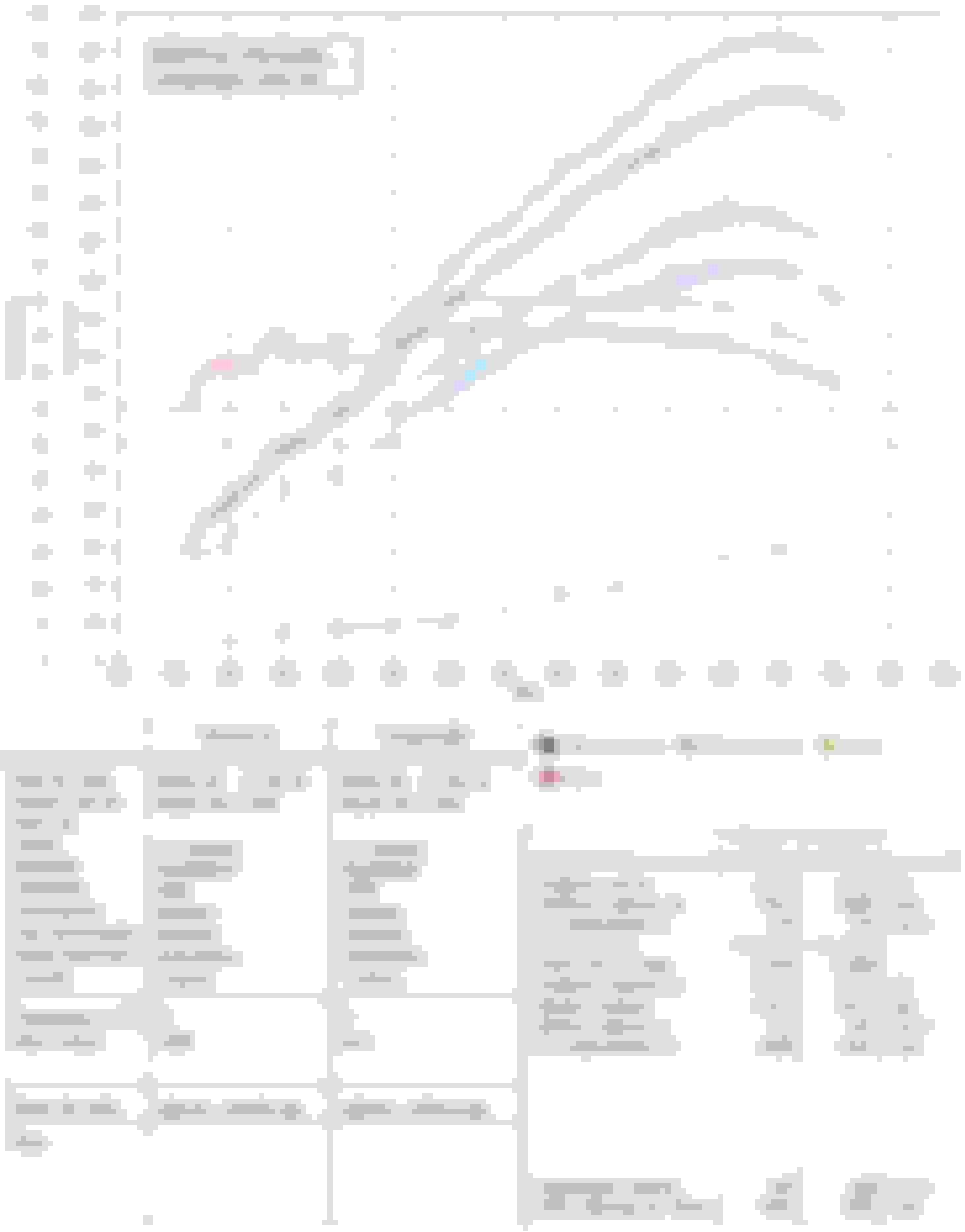
Since when I was researching ITBs I could find exactly 0 information on how much power gain to expect, here are some results.
The only changes between both tests tune wise are adjusting the VE table to maintain same AFR targets (12.8:1 AFR @ WOT). Timing and VVT settings are the same
ITBs using T3 NB Manifold, AE101 Throttle Bodies, 70mm Stacks and ITG JC50/100 (100mm internal height) sausage filter
Other mods, common to both runs:
RB Headers
RB Resonated Race midpipe (no cat)
Custom Straight through rear muffler
95 RON fuel
MSLabs MS3 Basic + CAN WB02
Tired engine: 150psi compression test on all 4 cylinders (pre-ITB graph is making same power as a Friend's fully stock BP4W with just intake and racing beat muffler
Timing is pretty much at MBT from down low (increasing gains nothing, decreasing loses power, tested on the same day back to back) VVT also tuned similarly nicely.
Numbers obviously not comparable to US 'dynojet numbers'. For reference, this dyno reads within 1% of a local Dyno Dynamics.
Very interesting indeed, I did not expect that much, and through the majority of the curve
Yeah I was very surprised, glancing at the VE tables I expected maybe 5% peak gains. With just 70mm stacks, not losing any torque down low was also surprising. Not that I could fit longer stacks while retaining a filter anyway.
Originally Posted by Braineack
Comparison is ITBs, Reference is Flattop?
Yep, thin line is ITBs, Reference thick line is Flattop.
Green line(s) is dissipated power (once the run is done, you let the dyno coast down with the car in gear but with the clutch depressed and it measures all the associated drag.
Interesting. Thank you for the comparison. Where the two setups done on the same day? I'm curious because I have a set of AE101 ITBs sitting on a shelf I want to throw on to my high compression VVT motor.
Interesting. Thank you for the comparison. Where the two setups done on the same day? I'm curious because I have a set of AE101 ITBs sitting on a shelf I want to throw on to my high compression VVT motor.
They were done a month apart. You can see the temperatures and pressures near the bottom, and the correction factor on the bottom right table (0.9xx). From experience these dynos are pretty consistent with their correction factors. ITB test had lower temperature by 3 degrees C, but also lower baro pressure.
I would definitely put those on your VVT motor and post results, ITB dyno results are quite hard to find from what I've looked into. I would be curious to see effects of various stack lengths, considering how surprisingly well these 70mm ones did.
They were done a month apart. You can see the temperatures are pressures near the bottom, and the correction factor on the bottom right table (0.9xx). From experience these dynos are pretty consistent with their correction factors. ITB test had lower temperature by 3 degrees C, but also lower baro pressure.
I would definitely put those on your VVT motor and post results, ITB dyno results are quite hard to find from what I've looked into. I would be curious to see effects of various stack lengths, considering how surprisingly well these 70mm ones did.
Currently my ECU doesn't support an easy way to do a blended MAP for good ITB use. Plus I'm thinking that I'll build my own manifold. I'm not a huge fan of T3's products from back in my AE86 ownership days.



 EUDM NB2 VVT Flattop vs AE101 ITBs

 6
6