When you click on links to various merchants on this site and make a purchase, this can result in this site earning a commission. Affiliate programs and affiliations include, but are not limited to, the eBay Partner Network.
I strongly believe the "chain" should be battery -> alternator -> fuse (box) -> power consuming whatever doodad.
I'll let @Joe Perez convince you for the whys and assorted intricacies for such practice.
That's one way of doing it. It's also common to see the starter motor in between the battery and the alternator.
Provided that the conductors are of adequate size, and the connections clean and tight, it kind of doesn't matter what the exact topology is. The only majorly important rule as to positive-side wiring are that you want to keep the connection between the battery and the starter as short & simple as possible. Beyond that, everyone knows the usual stuff about good ground returns and whatnot.
This whole thread and not one word about the condition of the battery. Have you checked that?
My brief search on the consequences of too small a battery for an electrical system netted enough information that I would be alarmed. I always thought your battery was a little undersized.
This whole thread and not one word about the condition of the battery. Have you checked that?
My brief search on the consequences of too small a battery for an electrical system netted enough information that I would be alarmed. I always thought your battery was a little undersized.
It's plenty big for a lawn tractor. 340cca
It's been on an electronic battery tender/charger and cranks the car without issue.
I was wrong about the extra wire from the battery. It goes to the main 80 amp fuse and not the alternator. It is 6 gauge and can be seen at the battery and the fuse block (red wire).
There's an added 10 gauge wire going from the alternator to the 80 amp fuse (yellow).
The high current supply to the fan relay has been moved from the alternator to the output of the 80 amp fuse and the extra length of wire has been removed. It is a 12 gauge wire (orange by the fuse). All of the wires to and from the relay and fan are 12 gauge (also yellow) except the ones from Spal which appear to be slightly smaller. Chart attached says 12 gauge wire is good for up to 35 amps.
I moved the fan ground back to the chassis beside the headlight.
I didn't solder any wires yet in lieu of the crimps but did re-crimp a few to make sure they were tight.
I cranked it up and checked voltage with the multimeter. 14.5 volts at high warmup idle. Not good. Not terrible.
Measuring with A/C and high fan 14.5 volts. Measuring with engine manually revved up faster 14.5 volts. Measuring at driver's footwell fuse block 14.4x volts.
I'm guessing something is off in the voltage regulator and it possibly goes to an even higher voltage occasionally and causes the problem with hot wiring and relays and probably other things.
If the fan has this "crowbar" device that limits voltage I'm guessing it helped create extra heat in those specific wires when fighting the alternator.
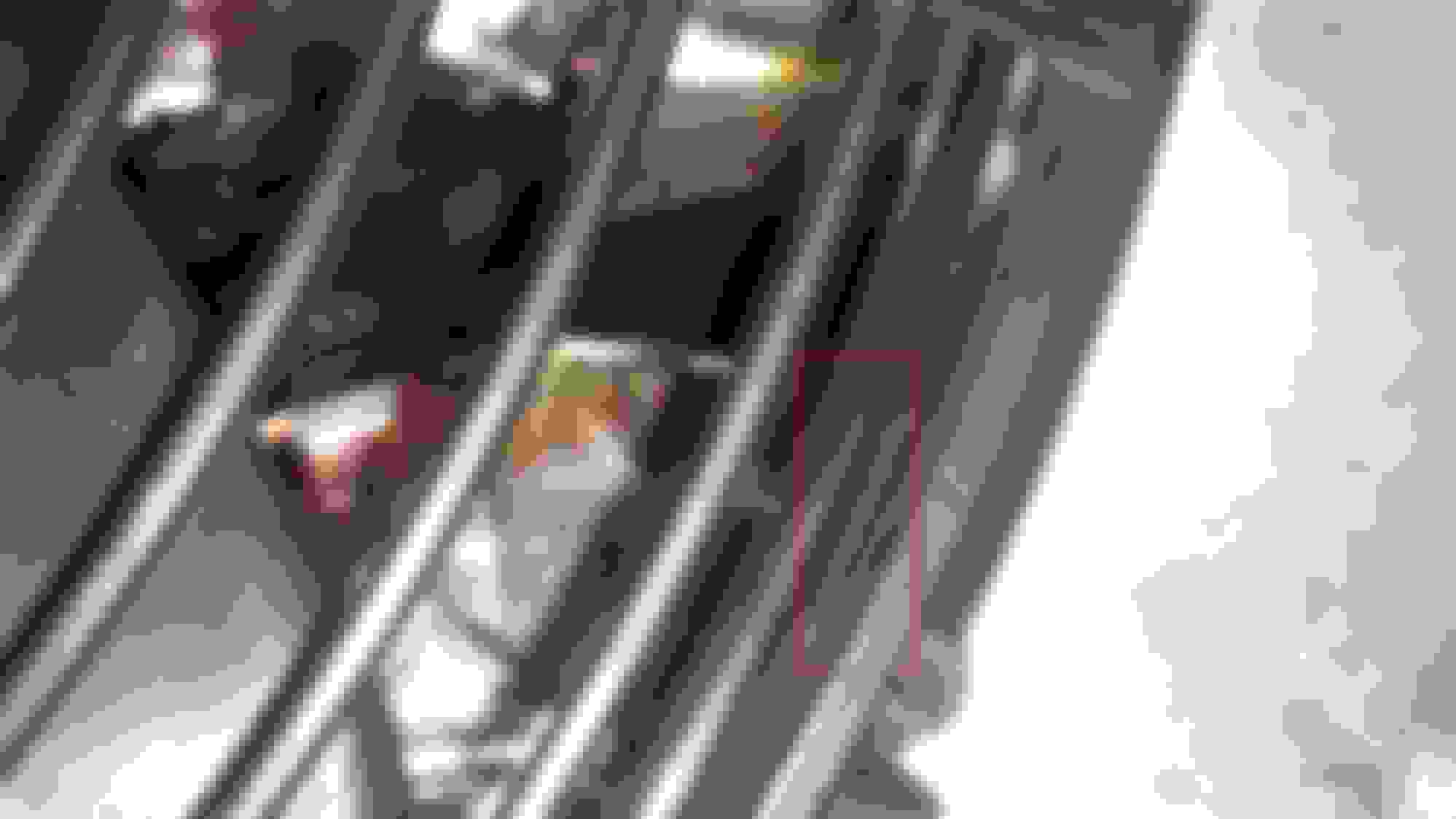
Pictures of some of my mess, before, after, and during the alterations.
Last edited by sixshooter; Jul 9, 2019 at 09:20 PM.
Is the alternator still getting really hot? How about the wiring/relay?
I didn't let it run long enough to get hot. I'm thinking it probably jumps up to an even higher voltage sometimes. New alternator should arrive Friday.
If you have/had an unstable output, it is possible that the instability is/was caused by having the fan connected directly to the alt terminal. I won't get into the maths associated with the voltage feedback on the internally regulated alternator, but it is conceivable.
IOW, moving the alternator tap may solve all your problems.
Alternator has been replaced with the higher amperage unit. It, interestingly, produces 14.0 volts during operation. The battery makes 12.7 by itself. The fuse holder wire was still getting warm along with the relay. The wire from the relay to the fan was cool and so was the wire from the ground to the fan. The 30 amp fuse popped after a few cycles.
The voltage drop across the relay during operation was .05 volts. The voltage drop across the fuse was about .3 volts. The voltage at the fan was 13.65.
Sooo, I changed out the inline fuse holder with one utilizing a larger 10 gauge wire and I switched to the 80 amp relay. The fuse holder wire still became warm, as did the relay. Then after a few cycles the 30 amp fuse popped.
I haven't yet purchased the amp meter. I'm contemplating the fan now, as it is the last man standing.
I've had surprisingly good results from the super-cheap shunt type ammeters you can buy from Amazon / eBay. The ones that Chinese hobbyists buy from Uzbekistan, because quality Chinese-made units are too expensive.
I've had surprisingly good results from the super-cheap shunt type ammeters you can buy from Amazon / eBay. The ones that Chinese hobbyists buy from Uzbekistan, because quality Chinese-made units are too expensive.
That's a better choice. The only one I saw locally was $90 @ Lowe's.
I went ahead and ordered another fan because I'm running out of things to try. And running out of time. Who knows what other issues will present themselves in the shakedown?
I'm weary of this. I appreciate the help from you all.
Had I known you were made of money, I'd have soaked you for the pen.
Hahaha! It was a birthday gift from my buddy Gary many years ago. He's a flashy name brand tool kinda guy. I can't hang. Gotta max out the 401k and IRA's for both of us prior to car stuff.
This is the fan I'm using. Spal VA18-AP71/LL-59A 12V.
It spins freely but there's some evidence of it having rubbed its housing at times, possibly due to sway bar contact or fabricated aluminum shroud bending at times. I think I will ensure shroud rigidity by riveting some small aluminum angle across its back in select locations.
EDIT: I trimmed the marked section where the plastic was flaking with a razor and sandpaper but it still popped the fuse. Fan seems to pop the fuse mostly on startups.
New fan should arrive Tuesday.
Last edited by sixshooter; Jul 15, 2019 at 08:55 AM.
Sounds like the right thing. 30 A with 0.05V drop gives contact resistance of less than 2mOhms. Relay still seems solid. Fan seems to be drawing too much current.
Your Spal fan is supposed to pull 20 - 22 A.
Last edited by DNMakinson; Jul 15, 2019 at 12:38 PM.
Reason: Clarification
Seems logical. Presupposing an unregulated supply, electric motors (along with many other things) tend to draw much more current while first starting up than when running in a steady-state configuration. 'Tis called inrush current.







 0
0