


Oil cooler tech





It would have to be pre, because the post cooler route goes through the filter and then into the block through the central pipe.
250 pre-cooler is nothing to worry about.
250 pre-cooler is nothing to worry about.
Reply
 0
0

0


Joined: Sep 2005
Posts: 34,381
Total Cats: 7,504
From: Chicago. (The less-murder part.)

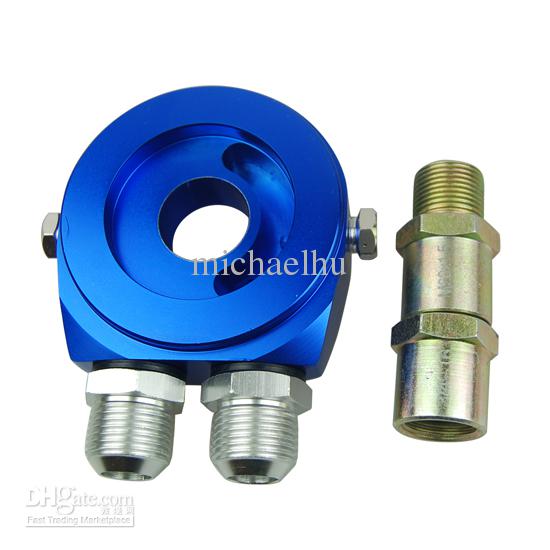
Depending on the design of the plate, and its orientation, it's possible to take a measurement either pre or post-cooler.
This one, for instance, has ports on both sides:
Reply
0
0

Reply
0
0

Joined: Apr 2014
Posts: 18,643
Total Cats: 1,870
From: Beaverton, USA
Reply
0
0

Given the fact that many of them shut it down around 270, I would think beating on it all the time near say 250 is probably a bad idea. If you did it, I'd swap the oil afterwards.
Reply
0
0
The question remains, is this oil temp prior to the oil cooler? If yes, and the oil is then being dropped to 220-230 in the cooler then it is in the acceptable operating range for T6 synthetic on the track. I would back off at about 260-265F. Racers often run higher in the heat of battle if they must, but they rebuild engines more often.
It typically gets slightly more difficult to get hotter as the temp increases (unless you have real shortcomings in the cooling system) because as the difference between ambient and the oil temp continues to grow the cooler actually cools a little better, all things considered. Don't cook your engine.
It typically gets slightly more difficult to get hotter as the temp increases (unless you have real shortcomings in the cooling system) because as the difference between ambient and the oil temp continues to grow the cooler actually cools a little better, all things considered. Don't cook your engine.
Reply
0
0
Dunno. The main source of heat into the oil is from being sheared in the bearings, then it gravity drains into the pan. If you could measure the oil temperature going into the oil pump, whatever temp the oil is once it's in the pickup tube, it's not going to get any cooler unless there's an oil cooler it's pumped through. Oil pump will heat it some, resistance flowing through oil passages, filter restriction, heat from surround engine components/block, etc.
I read online that the "normal" spot to measure oil temps is in the oil pan sump, so that's where I put my sensor. I wonder where the germans put theirs? I'll look for it on my mercedes next time I change the oil.
I read online that the "normal" spot to measure oil temps is in the oil pan sump, so that's where I put my sensor. I wonder where the germans put theirs? I'll look for it on my mercedes next time I change the oil.
Reply
0
0

Reply
0
0
Joined: Apr 2014
Posts: 18,643
Total Cats: 1,870
From: Beaverton, USA
<p>Wouldn't the best place for a temp sensor to be post cooler, so you know the actual temp of the oil going into your bearings?</p><p>Then you can look at the properties of your oil and see when you should shut down.</p><p>I also have the issue of not trusting my oil temp gauge, because my coolant gauge wasn't exact out of the box.</p><p>Oh well. Good thing its a 1.6</p>
Reply
0
0
<p>Wouldn't the best place for a temp sensor to be post cooler, so you know the actual temp of the oil going into your bearings?</p><p>Then you can look at the properties of your oil and see when you should shut down.</p><p>I also have the issue of not trusting my oil temp gauge, because my coolant gauge wasn't exact out of the box.</p><p>Oh well. Good thing its a 1.6</p>
Reply
0
0
Joined: Apr 2014
Posts: 18,643
Total Cats: 1,870
From: Beaverton, USA
<p>But why do I care how hot the oil that just cooled my bearings is? Don't I want to know how hot the oil that is about to cool my bearings is?</p>
Reply
0
0

Elite Member

Joined: Mar 2007
Posts: 5,285
Total Cats: 883
From: Santa Clara, CA
Oil will get a bit warmer when pumped due to friction, but that's pretty low (low friction is, after all, the main point to having oil).
I suspect it doesn't really matter all that much where you measure it. Personally I change the oil before every track day, because the cost just isn't significant compared to everything else.
--Ian
Reply
0
0


