


Portable Nintendo 64


Thread Starter
Elite Member
iTrader: (17)
Joined: Aug 2007
Posts: 2,954
Total Cats: 184
From: Knoxville, TN
 Portable Nintendo 64
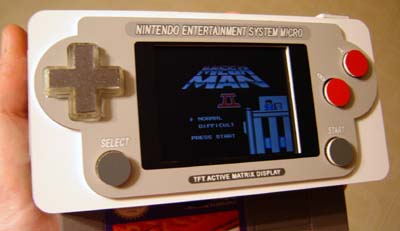
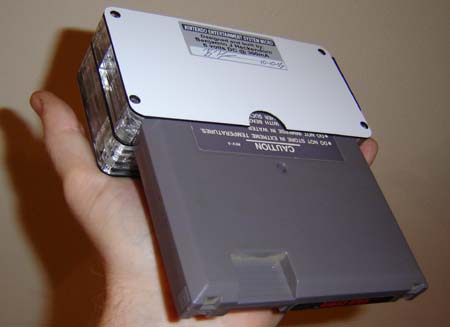
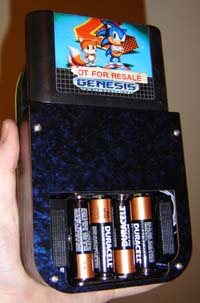
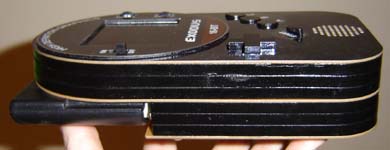
Saw this on another forum and thought you guys would appreciate it. The forum is in spanish, so I have no idea what they're saying, but the pictures are awesome.
http://www.inventosunicos.com/viewtopic.php?f=10&t=14
http://www.inventosunicos.com/viewtopic.php?f=10&t=14
Reply
 0
0

0




******* awesome! That dude is major pimp! I'd love to pull that out of my backpack sitting next to some 12 year old kids playing on their PSP. "You don't know **** about this, son... 007, GoldenEye, N64"
Reply
0
0





Joined: Sep 2005
Posts: 34,402
Total Cats: 7,523
From: Chicago. (The less-murder part.)
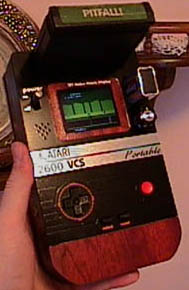
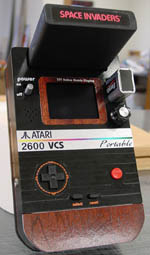
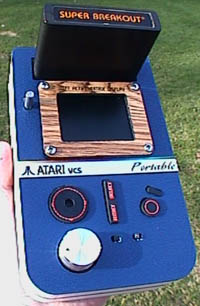
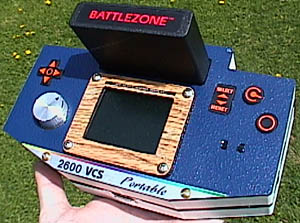
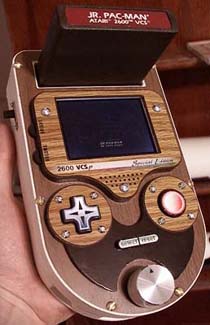
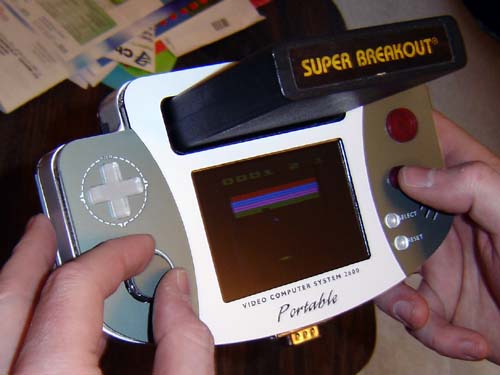
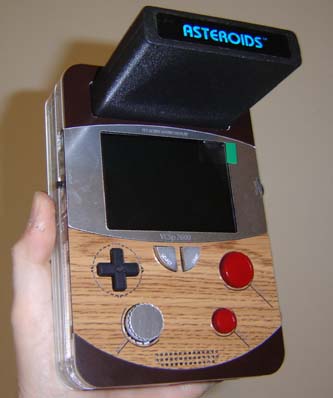
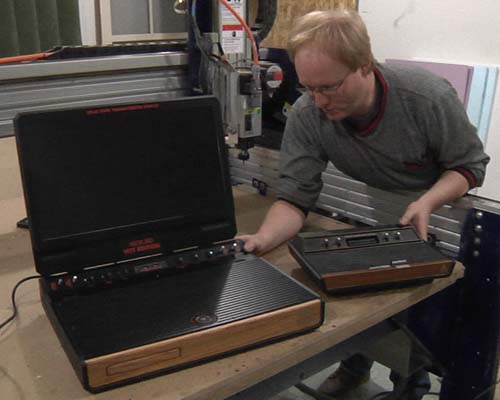
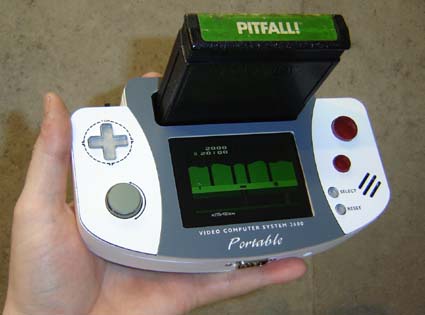

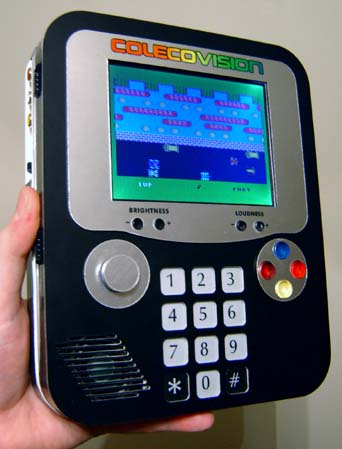
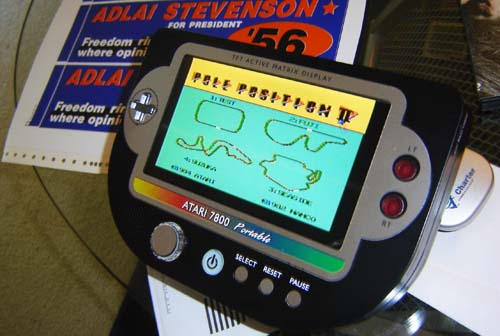
Reply
0
0


Reply
0
0
Joined: Sep 2005
Posts: 34,402
Total Cats: 7,523
From: Chicago. (The less-murder part.)
Drugs are bad, mmkay?
Hmm. I can't even accept "old school."
The history of home video game systems breaks down as follows:
1: The pre-microprocessor era, in which game logic was either analog or implemented in discrete logic or non-programmable ASICs. Magnavox Odyssey, Pong (and its many clones) etc.
2: The early microprocessor era, in which ROM-based cartridges came into being and sprites were first introduced, however game logic was still centered around the "player / missile" or "player / ball" concept. Fairchild Channel F, the early Atari machines (VCS, 5200, 7800), ColecoVision, IntelliVision, Vectrex, etc.
3: The Renaissance, in which the industry rose up out of the ashes of the Great Videogame Crash of 1983 and developed advanced graphical capabilities to distinguish themselves from the Commodore 64 and its successors. NES, Sega Master System, TurboGrafx-16, Super NES, Genesis, NeoGeo, etc.
4: The Age of Enlightenment, in which hardware-accelerated 3D graphics and useless, annoying analog control sticks the size of a gerbil ***** became dominant. Saturn, 3D0, Dreamcast, N64, all members of Playstation / Xbox family, GameCube, Wii, etc.
Hmm. I can't even accept "old school."
The history of home video game systems breaks down as follows:
1: The pre-microprocessor era, in which game logic was either analog or implemented in discrete logic or non-programmable ASICs. Magnavox Odyssey, Pong (and its many clones) etc.
2: The early microprocessor era, in which ROM-based cartridges came into being and sprites were first introduced, however game logic was still centered around the "player / missile" or "player / ball" concept. Fairchild Channel F, the early Atari machines (VCS, 5200, 7800), ColecoVision, IntelliVision, Vectrex, etc.
3: The Renaissance, in which the industry rose up out of the ashes of the Great Videogame Crash of 1983 and developed advanced graphical capabilities to distinguish themselves from the Commodore 64 and its successors. NES, Sega Master System, TurboGrafx-16, Super NES, Genesis, NeoGeo, etc.
4: The Age of Enlightenment, in which hardware-accelerated 3D graphics and useless, annoying analog control sticks the size of a gerbil ***** became dominant. Saturn, 3D0, Dreamcast, N64, all members of Playstation / Xbox family, GameCube, Wii, etc.
Last edited by Joe Perez; Jul 19, 2011 at 12:13 PM. Reason: Re-classed Saturn.
Reply
0
0




Drugs are bad, mmkay?
Hmm. I can't even accept "old school."
The history of home video game systems breaks down as follows:
1: The pre-microprocessor era, in which game logic was either analog or implemented in discrete logic or non-programmable ASICs. Magnavox Odyssey, Pong (and its many clones) etc.
2: The early microprocessor era, in which ROM-based cartridges came into being and sprites were first introduced, however game logic was still centered around the "player / missile" or "player / ball" concept. Fairchild Channel F, the early Atari machines (VCS, 5200, 7800), ColecoVision, IntelliVision, Vectrex, etc.
3: The Renaissance, in which the industry rose up out of the ashes of the Great Videogame Crash of 1983 and developed advanced graphical capabilities to distinguish themselves from the Commodore 64 and its successors. NES, Sega Master System, TurboGrafx-16, Super NES, Genesis, NeoGeo, Saturn, etc.
4: The Age of Enlightenment, in which hardware-accelerated 3D graphics and useless, annoying analog control sticks the size of a gerbil ***** became dominant. 3D0, Dreamcast, N64, all members of Playstation / Xbox family, GameCube, Wii, etc.
Hmm. I can't even accept "old school."
The history of home video game systems breaks down as follows:
1: The pre-microprocessor era, in which game logic was either analog or implemented in discrete logic or non-programmable ASICs. Magnavox Odyssey, Pong (and its many clones) etc.
2: The early microprocessor era, in which ROM-based cartridges came into being and sprites were first introduced, however game logic was still centered around the "player / missile" or "player / ball" concept. Fairchild Channel F, the early Atari machines (VCS, 5200, 7800), ColecoVision, IntelliVision, Vectrex, etc.
3: The Renaissance, in which the industry rose up out of the ashes of the Great Videogame Crash of 1983 and developed advanced graphical capabilities to distinguish themselves from the Commodore 64 and its successors. NES, Sega Master System, TurboGrafx-16, Super NES, Genesis, NeoGeo, Saturn, etc.
4: The Age of Enlightenment, in which hardware-accelerated 3D graphics and useless, annoying analog control sticks the size of a gerbil ***** became dominant. 3D0, Dreamcast, N64, all members of Playstation / Xbox family, GameCube, Wii, etc.
Reply
0
0
Joined: Sep 2005
Posts: 34,402
Total Cats: 7,523
From: Chicago. (The less-murder part.)
You're quite right. I never owned a Saturn (they were after my time) but I'd thought that it only supported bitmap graphics. Did a little research and found out that its graphics engine supported both bitmapped sprites and shaded polygons.
Rather interestingly, the background renderer was its own discrete engine, so this seems to have been sort of a crossover design, where polygons were used, but were conceptually treated as though they were sprites, in that they were separate from the playfield itself.
But it has a 3D rendering engine, so it falls into the Modern Era. (It did not, however, have a gerbil-***** controller as standard equipment- that was optional.)
Post corrected.
Rather interestingly, the background renderer was its own discrete engine, so this seems to have been sort of a crossover design, where polygons were used, but were conceptually treated as though they were sprites, in that they were separate from the playfield itself.
But it has a 3D rendering engine, so it falls into the Modern Era. (It did not, however, have a gerbil-***** controller as standard equipment- that was optional.)
Post corrected.
Reply
0
0


I've seen online a guy that builds current gen. Console laptops. Pretty sweet.http://benheck.com/Games/Xbox360/x360_page_5.htm
Last edited by 1redcanuck; Jul 19, 2011 at 05:52 PM. Reason: Added link
Reply
0
0


