


B6T 323 GTX Camshaft?


Thread Starter
Junior Member
Joined: Feb 2007
Posts: 47
Total Cats: 0
From: Austria
 B6T 323 GTX Camshaft?
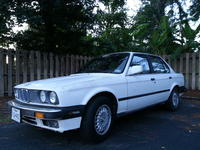
I would get original 323 GTX 1,6i Turbo camshaft.
I have an 1.6er Miata Turbo.
Is there a big different between the Turbo camshaft from the gtx and the 1.6er Miata Camshaft? Are the GTX Camshafts a little bit better?
Could someone give me an advice?
I have an 1.6er Miata Turbo.
Is there a big different between the Turbo camshaft from the gtx and the 1.6er Miata Camshaft? Are the GTX Camshafts a little bit better?
Could someone give me an advice?
Last edited by jonny; May 24, 2009 at 03:17 PM.
Reply
 0
0

0




WAY less overlap, better for boost for sure.
http://solomiata.com/cams.html
looks like the intake cam might be the same (however the lift may be different), the difference is the exhaust valve opens a little sooner in the cycle but closes sooner as well.
freaking third time I've used that link today already.
http://solomiata.com/cams.html
looks like the intake cam might be the same (however the lift may be different), the difference is the exhaust valve opens a little sooner in the cycle but closes sooner as well.
freaking third time I've used that link today already.
Reply
0
0

WAY less overlap, better for boost for sure.
http://solomiata.com/cams.html
looks like the intake cam might be the same (however the lift may be different), the difference is the exhaust valve opens a little sooner in the cycle but closes sooner as well.
freaking third time I've used that link today already.
http://solomiata.com/cams.html
looks like the intake cam might be the same (however the lift may be different), the difference is the exhaust valve opens a little sooner in the cycle but closes sooner as well.
freaking third time I've used that link today already.
Reply
0
0



Reply
0
0
This also means that both cams are retarded compared to the B6T setup, which can be advantageous at higher rpms.
Reply
0
0
Reply
0
0
Reply
0
0
but what if the GTX exhaust cam had more duration? ha
Reply
0
0
B6T
1,597 cc (1.597 L; 97.5 cu in) B6T - (78x83.6 mm) - The ubiquitous turbocharged, fuel-injected and intercooled 16-valve DOHC B6, released in 1985 and used in numerous models worldwide including the 323 GT-X, 1985-1989 Mazda Familia GT-X/GT, 1985-1989 Ford Laser TX3 turbo, and later Mercury Capri's. This engine was most commonly found mated to a 4WD drivetrain although FWD models were also available in the capri XR2 & 323 GT.
Power and torque outputs varied across markets due to emission and fuel standards.
The B6T available in north america came with 132 hp (98 kW) & 136 lb·ft (184 N·m)
The Japanese version of the B6T was the most powerful, producing 147 hp (110 kW) and 137 lb·ft (186 N·m) due to better intake manifold & ecu tuning for better gasoline 95 octane
1,597 cc (1.597 L; 97.5 cu in) B6T - (78x83.6 mm) - The ubiquitous turbocharged, fuel-injected and intercooled 16-valve DOHC B6, released in 1985 and used in numerous models worldwide including the 323 GT-X, 1985-1989 Mazda Familia GT-X/GT, 1985-1989 Ford Laser TX3 turbo, and later Mercury Capri's. This engine was most commonly found mated to a 4WD drivetrain although FWD models were also available in the capri XR2 & 323 GT.
Power and torque outputs varied across markets due to emission and fuel standards.
The B6T available in north america came with 132 hp (98 kW) & 136 lb·ft (184 N·m)
The Japanese version of the B6T was the most powerful, producing 147 hp (110 kW) and 137 lb·ft (186 N·m) due to better intake manifold & ecu tuning for better gasoline 95 octane
source : http://en.wikipedia.org/wiki/Mazda_B_engine#B6T
Reply
0
0


