When you click on links to various merchants on this site and make a purchase, this can result in this site earning a commission. Affiliate programs and affiliations include, but are not limited to, the eBay Partner Network.
Why?
As long as the emissions pass that's all that matters.
What's the difference between my cat and an aftermarket cat?
I suspect you will have no problems. I don't know what the inspection process is like in the UK, but in the US, California is the only state in which you'd likely fail, as they specifically check the part number (or CARB EO number) on aftermarket cats and require that the number match the make & model of car.
I suspect you will have no problems. I don't know what the inspection process is like in the UK, but in the US, California is the only state in which you'd likely fail, as they specifically check the part number (or CARB EO number) on aftermarket cats and require that the number match the make & model of car.
In the UK they do an emissions test (sniffer up the exhaust) at idle and 3000 RPM. As long as you pass that and have some kind cat (if originally fitted) they don't care. They are clamping down though, now removing emissions control systems such as EGR, DPFs etc results in a fail - but I think this is more aimed as diesels...
I suspect you will have no problems. I don't know what the inspection process is like in the UK, but in the US, California is the only state in which you'd likely fail, as they specifically check the part number (or CARB EO number) on aftermarket cats and require that the number match the make & model of car.
That is patently absurd. A catalytic converter has to be sized for the vehicle and all the possible operating parameters. It has to work in blazing dry heat in Arizona, dripping humid heat in Florida, and sub zero temps in NY. It is probably oversized for most vehicles, so that they don't fail prematurely (most states have a minimum time they must work, or be replaced for free by the manufacturer), but not so much that they impact the cost/weight of the vehicle. That said, you can probably bolt a cat from one car to any other and get it to pass emissions. If the goal is simply clean air, why make it so difficult?
Usually, regulations that appear overly complicated on the surface are the result of someone making money off them. So where is the money to be made by having such restrictive legislation?
So where is the money to be made by having such restrictive legislation?
Although I'm not quite so cynical, the answer is that it costs money to take an aftermarket part through the CARB EO process. And, thus, if CARB requires that each cat be individually certified for each approved vehicle, that's a lot of expensive testing.
As one might imagine, the cost of CA-legal aftermarket converters increased rather dramatically after this rule was put into place 5 or 6 years ago.



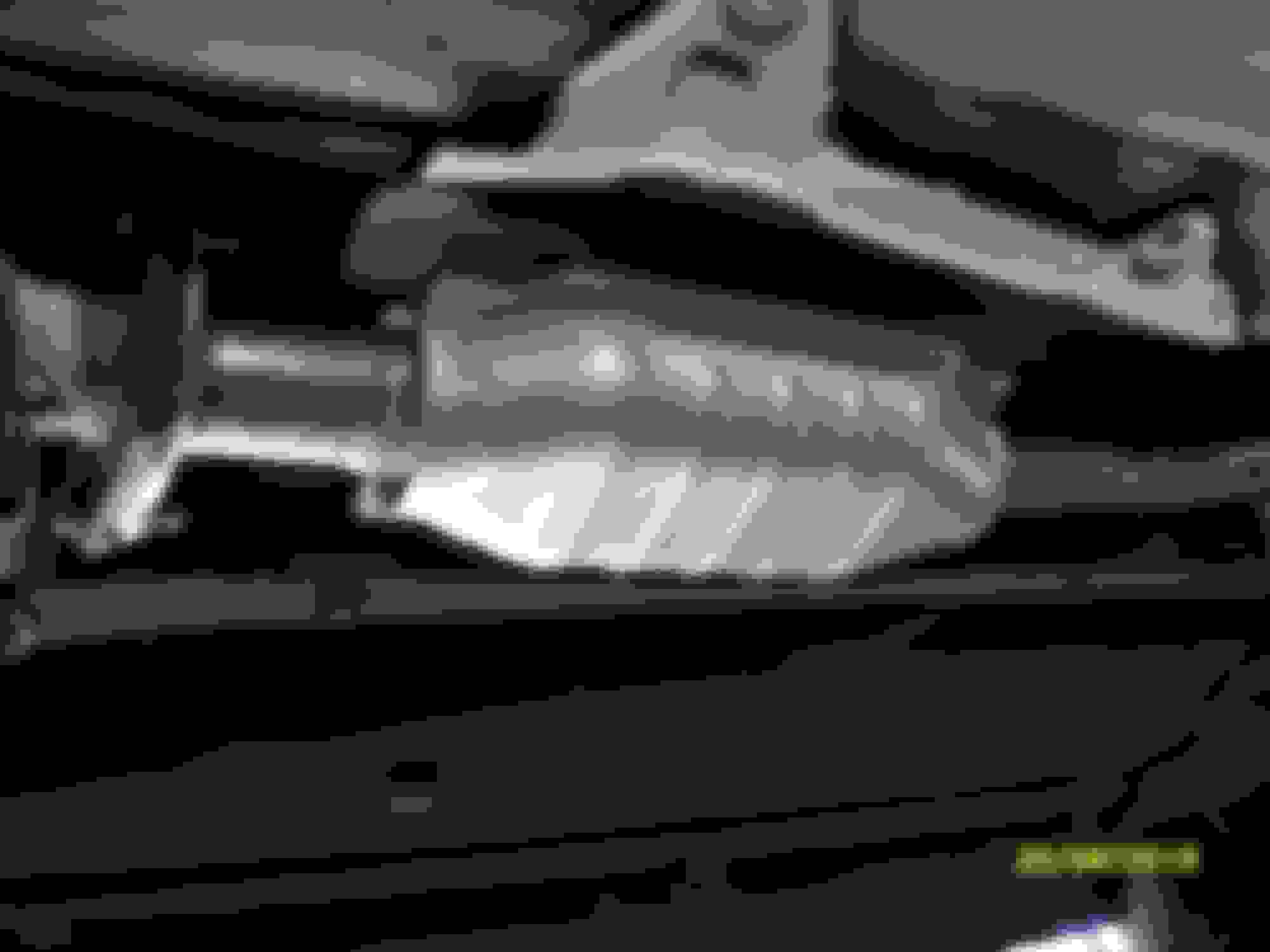
 Lotus Exige Catalytic Converter welded in place.

 0
0