


The AI-generated cat pictures thread


That looks to me like an old belly tank off an airplane. Ya know the ones for extra fuel then they would jettison them once they where empty. A lot of the early salt flats cars where just that. Not sure on the engine though. I checked out So-Cal speed shop not too long ago and they had a WWII belly tank that was for sale. I think it was $10,000 or some ridiculous amount.
Reply
 0
0

0















Reply
0
0


That looks to me like an old belly tank off an airplane. Ya know the ones for extra fuel then they would jettison them once they where empty. A lot of the early salt flats cars where just that. Not sure on the engine though. I checked out So-Cal speed shop not too long ago and they had a WWII belly tank that was for sale. I think it was $10,000 or some ridiculous amount.

Reply
0
0

 I swapped it by myself. I have the original engine as a spare. I probably overpaid for the replacement engine, but its been what I expected. Pull, replace and drive. I have almost 20K miles on it now.
Reply
0
0

Junior Member
Joined: Oct 2010
Posts: 245
Total Cats: 4
From: las vegas
Like this one:
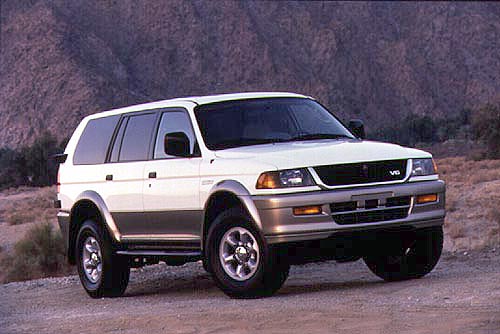

Upper and middle intake manifold must be removed and coolant must be drained to change spark plugs because they are located inboard of the valve covers in the middle of the vee next to intake ports. *********** at Mitsubishi probably giggled like schoolgirls when they drew this one up.
Upper and middle intake manifold must be removed and coolant must be drained to change spark plugs because they are located inboard of the valve covers in the middle of the vee next to intake ports. *********** at Mitsubishi probably giggled like schoolgirls when they drew this one up.
Now I have a mighty max that only has 170k on it, guy sold it to me for 700 because it had a bad oil leak, turned out the seal on the oil filter had broken. I plan on being a little nicer to the new truck.
Reply
0
0


I've had 3 rangers and sadly became a bit of an expert on their repair..
 Remove the old plug wires with a pair of 11" needle nose, use spark plug socket and locking socket extension to remove plugs. Install some quality plugs, buy new wires, and make a special tool to install the wires. Took a 3/8" piece of roundbar about 12" long and a 1" OD washer with about a 1/2"ID. Cut a 1/4 notch out of the washer and weld to the end of your roundbar and use this tool to guide and install plug wires onto the plugs.
 Major pain in the ***, but it works very well.

Reply
0
0

Assuming a had a Ford ranger that needed it's plugs changed:
A. I don't have 11" needle nose pliers, never had a need for them.
B. Don't have a welder
C. Would never buy an American piece of **** in the first place.
A. I don't have 11" needle nose pliers, never had a need for them.
B. Don't have a welder
C. Would never buy an American piece of **** in the first place.
Reply
0
0


Joined: Sep 2005
Posts: 34,381
Total Cats: 7,504
From: Chicago. (The less-murder part.)
Ok, that's true.
This wasn't my truck, it belonged to a friend, and we were doing it in the parking lot of her apartment. She was a lot more interested in just getting the truck running again than watching me fabricate tools.
Ever change the plugs in a 4-cyl Toyota pickup? All you need is one wrench.
That's the general idea I was trying to convey. With American vehicles, many common tasks wind up being annoyingly convoluted. The Japanese vehicles seem to be designed with ease of service in mind with a minimum of special tools. No need for 11" pliers or foot-long pieces of round bar stock with half a washer welded to one end.
The 80's vintage Toyota vans were a good example- the ones where you sat on top of the front wheels like a VW bus. Servicing those things could potentially have been a nightmare, except they made it so that you pull one lever and half of the floor pops up to expose the side of the engine. Need to access the other side? Pull a couple of bolts and the other half of the floor lifts completely out. In five minutes you can have the whole thing exposed and access any component on it with ease.
This wasn't my truck, it belonged to a friend, and we were doing it in the parking lot of her apartment. She was a lot more interested in just getting the truck running again than watching me fabricate tools.
Ever change the plugs in a 4-cyl Toyota pickup? All you need is one wrench.
That's the general idea I was trying to convey. With American vehicles, many common tasks wind up being annoyingly convoluted. The Japanese vehicles seem to be designed with ease of service in mind with a minimum of special tools. No need for 11" pliers or foot-long pieces of round bar stock with half a washer welded to one end.
The 80's vintage Toyota vans were a good example- the ones where you sat on top of the front wheels like a VW bus. Servicing those things could potentially have been a nightmare, except they made it so that you pull one lever and half of the floor pops up to expose the side of the engine. Need to access the other side? Pull a couple of bolts and the other half of the floor lifts completely out. In five minutes you can have the whole thing exposed and access any component on it with ease.
Reply
0
0


