When you click on links to various merchants on this site and make a purchase, this can result in this site earning a commission. Affiliate programs and affiliations include, but are not limited to, the eBay Partner Network.
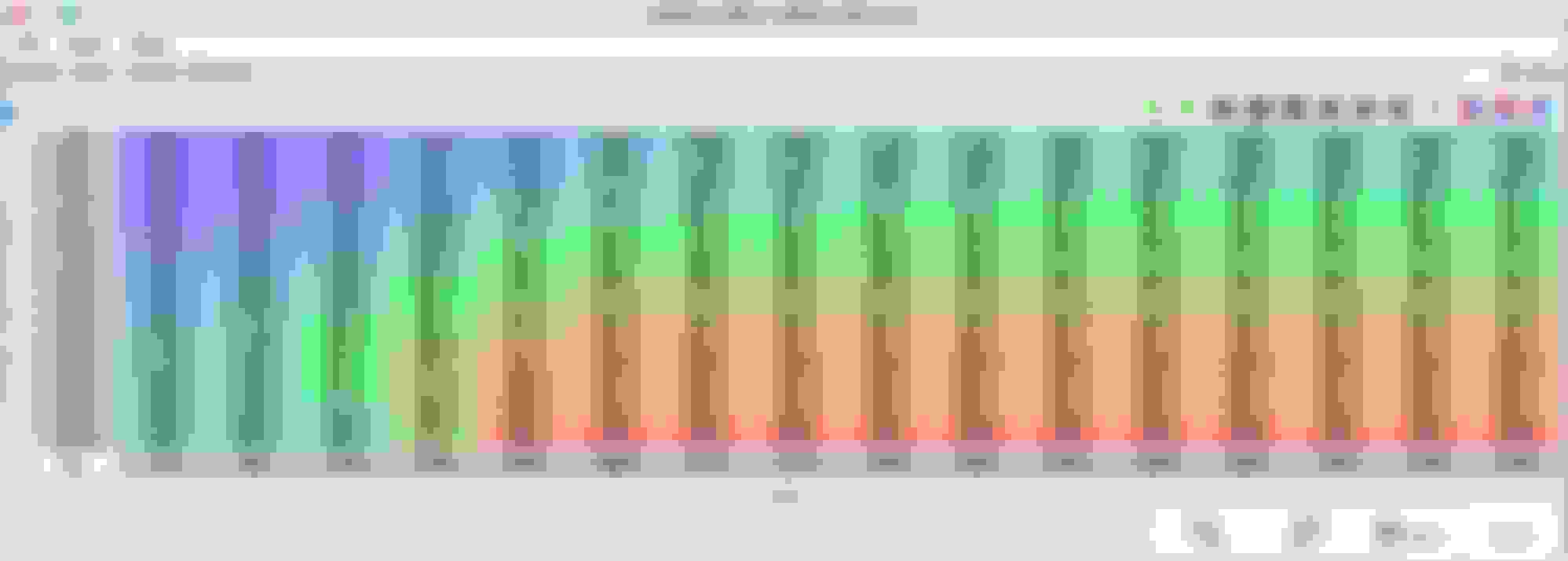
So everything is coming along slowly. I have the correct dead time, I used the base map for timing and tweaked it in the boost cells pulling a bit of timing to be sure. I set up my AFR map to what I believe is safe and effective for power maybe not for economy yet. So that leaves the VE map. At first my map looked like a nice slope high in the top right corner sloping down to the bottom left ( more or less) I start running VE analyze as I drive around rolling into full power pulls when I can and its safe. I then go through the map blending and smoothing cells so it looks more like smooth slopes rather than a map of the Canadian Rocky mountians I normally favour rich over lean and allow the ecu to pull fuel rather than add as I think its safer.
So Couple questions again.
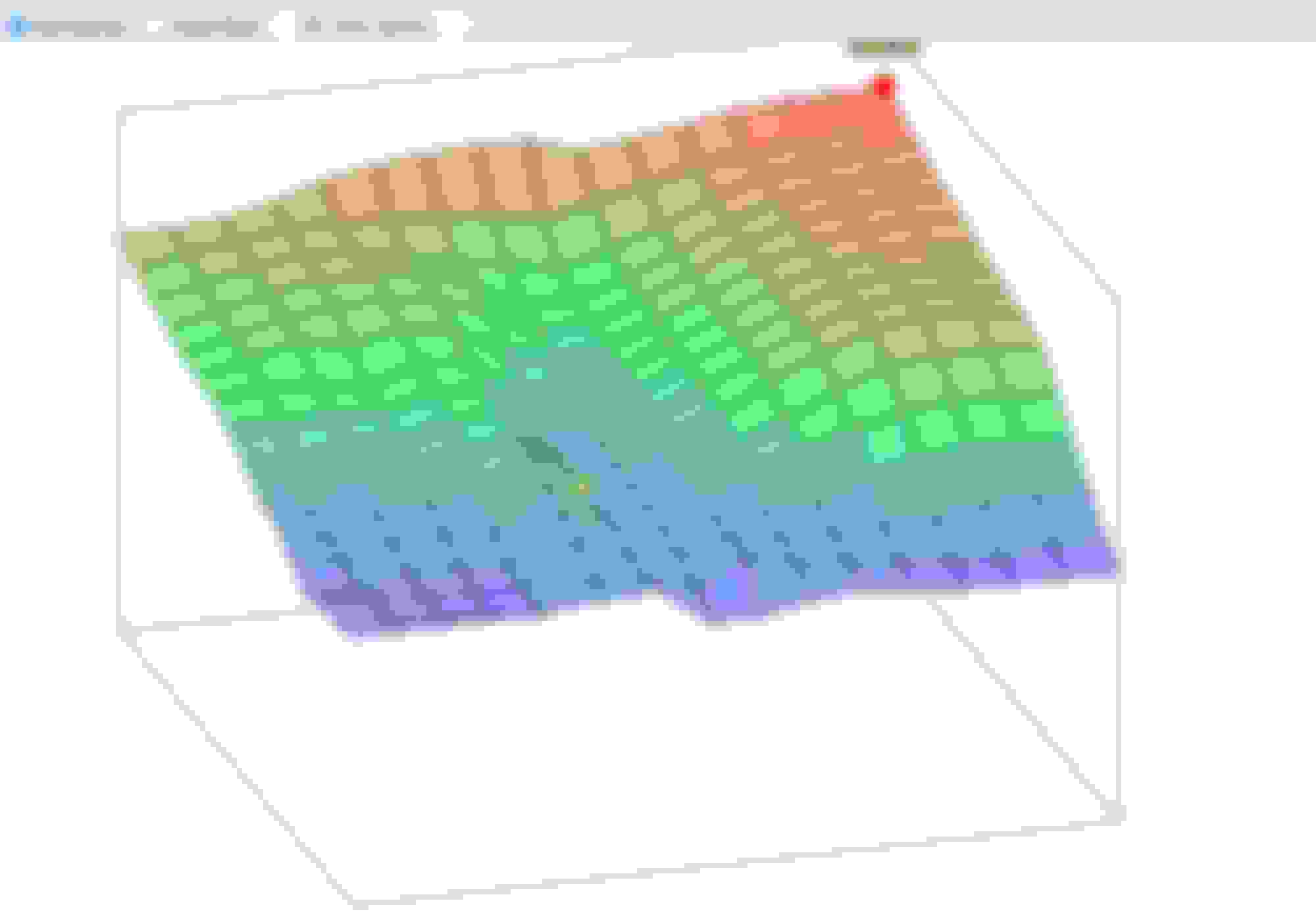
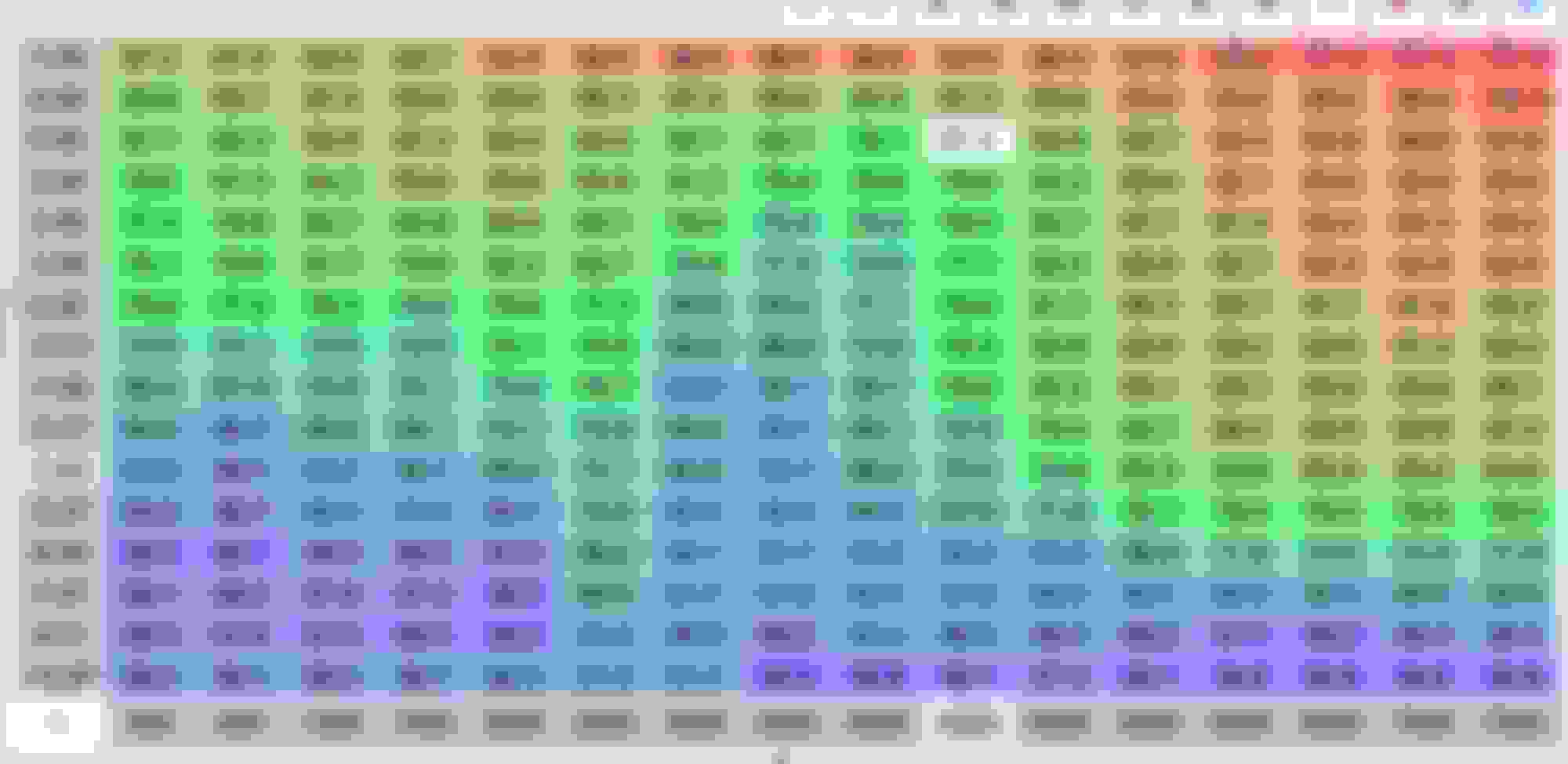
Why do I have a "valley" that constantly forms, from 3000-4000? Is the car less efficient here with a super charger or is it a timing issue or just a characteristic of the motor.
VE analyze is not perfect. Yet its still where your AFR map it at its leanest. You need to interpolate holes in the map and analyze again.
Totally makes sense, I’ve done exactly that at over and over and the same trend happens. VE pulls fuel and there’s a “valley” that forms there. Ego correction shows same trend in logs.
Just thought there might be a logical answer. I’ll keep an eye on it. Cause I’m lean at 2600 but it’s definitely richer there than 3000-4000.
Any feed back is good feed back. I just want a safe tune and enjoy this thing I want to learn, but not at the expense of engine failure alsotarting to get tired of bringing a laptop everywhere I go.
Hope you dont go into the mountains or come down from and go to the sea, that will throw the entire tune off
There is a reason why everyone runs KpA
My 14 psi is sea levels 12 psi because I live at 6000ft. But 180 KpA is the same pressure at altitude or at sea level. Using a PSI based map is chasing a moving target if you plan on going anywhere with your car.
You start your car, it reads barometric pressure, and sets that as "0 psi". If you are traveling, stop to get fuel, restart your car, and it sets a new "default", and then you kill your motor because it is running lean in the wrong place cause you changed the start point and you melt parts
I did not realize that MS uses Barometric reading to calculate PSI. That is cool as well as the way it should be.
@Ted75zcar can you verify, Or should my lazy self try to read through the 1.4.0 code.
Well, TBH, I have never seen this done, and have not looked for it. I don't even know how you would set it up. I guess it is possible that a custom FW is out there, and it could theoretically set 0 psi to 100kpa, but the whole approach really doesn't make sense to me at a fundamental level. Boost is a relative (not absolute) term in my world.
I know that for the tunerstudio gauge, the calculation of "boost" is done in the mainController.ini file, and uses the difference between MAP and baro.
I don’t know if you understood my question, but you did a great job of answering it. That boost shown on TS gauge takes barometric pressure into account.
Edit: I live close to sea level so I have not noticed. When I travel up to Mt Mitchell, I will have to observe that my PSI increases for the same MAP kPa.
Hope you dont go into the mountains or come down from and go to the sea, that will throw the entire tune off
There is a reason why everyone runs KpA
My 14 psi is sea levels 12 psi because I live at 6000ft. But 180 KpA is the same pressure at altitude or at sea level. Using a PSI based map is chasing a moving target if you plan on going anywhere with your car.
You start your car, it reads barometric pressure, and sets that as "0 psi". If you are traveling, stop to get fuel, restart your car, and it sets a new "default", and then you kill your motor because it is running lean in the wrong place cause you changed the start point and you melt parts
Next time just roll your cursor over the y axis in TS. It's just what I have it displayed in, If I chose to, It can be displayed in kpa. What my y axis is displayed in won't be the reason I destroy my engine. LOL
You should probably post chassis and fuel system config.
Some things that can cause funkiness like that:
not using incorporate AFR
VTCs
VICs (less so)
Defective/overburdened/deleted fuel dampers on a returnless system
Battery voltage
injection timing (less so)
misfire
Intake geometry
ae
I am sure there are more
You should probably post chassis and fuel system config.
Some things that can cause funkiness like that:
not using incorporate AFR
VTCs
VICs (less so)
Defective/overburdened/deleted fuel dampers on a returnless system
Battery voltage
injection timing (less so)
misfire
Intake geometry
ae
I am sure there are more
Thanks for looking Ted,
I am incorporating the AFR. I do have AE on as well.
Car set up.
2000 NB
- JRSC m45 (150mm crank pulley, 67mm nose)
- DDM airbox
- mishimoto rad
- tdr intercooler
- rx8 yellow injectors
- race land header
- borla exhaust
- one step colder plugs
- egr still inplace
- front Evap canister/emissions deleted
- fuel pump upgraded to dw200
- everything else fuel wise stock, (dampener, rail, lines, etc)
- battery is a fairly new Odyssey agm
Last edited by megapixelsniper; Aug 30, 2021 at 09:49 PM.
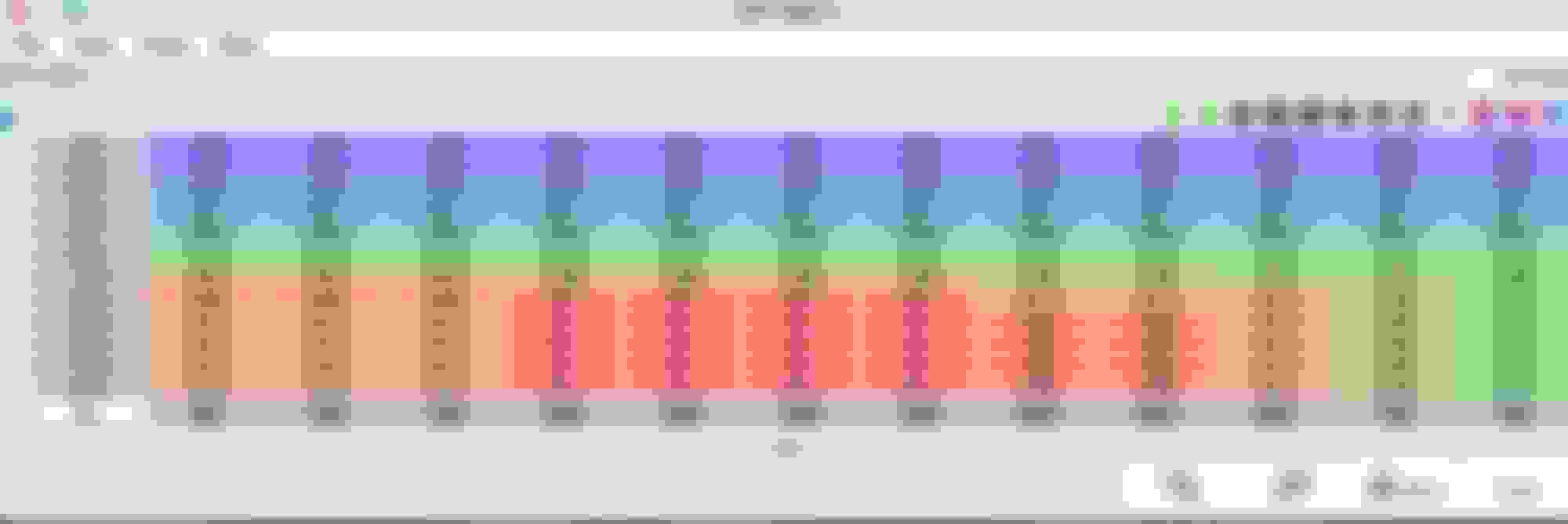
My VE table tends to go that way also. I smooth it out manually, adding a bit to the 2000 and 3000 RPM columns and removing some fuel from the 2500. In the end, since MS always uses a bit of input from surrounding cells, it is not noticeable in real life, in terms of EGO.
To be clear, I am not advocating for table switch necessarily, I slew VVT very quickly in this area and so the VE is really dynamic in a very short span. It happens again around 5000, so I needed resolution there too.
This is what I end up with after extensive EAE and AE tuning.
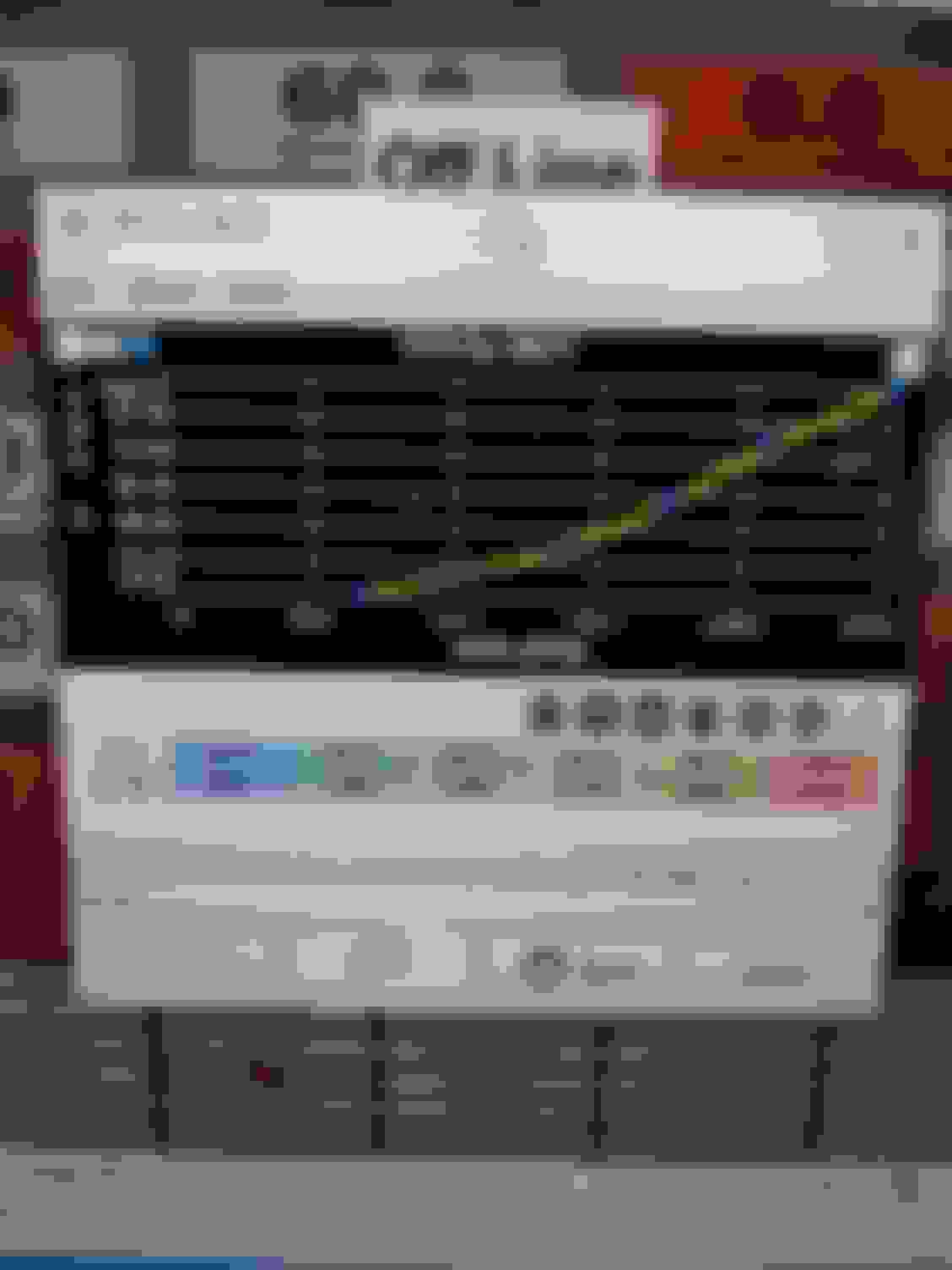
TPS WOT can be really helpful in managing the time based AE for this



 VE Table with analyze


 -1
-1