When you click on links to various merchants on this site and make a purchase, this can result in this site earning a commission. Affiliate programs and affiliations include, but are not limited to, the eBay Partner Network.
We've likely all seen the physical comedy trope in film or TV in which a vehicle strikes a fire hydrant head-on, snapping it off at the base and causing a geyser of water to shoot dozens of feet into the air.
It turns out that fire hydrants are made of sterner stuff in reality.
Or in Chicago, at least, which is similar to reality.
Walked past this at the corner of Western Ave & Waveland today:
That's oil pooled up at the crosswalk. Or perhaps ATF. I did not taste it.
In addition to the front fascia being wrapped around the hydrant, the ground is littered with broken bits of either engine or transmission case (likely both), some bits of what I believe are automatic transmission innards, a shattered crankshaft pulley, an oil filter (the kind with no steel enclosure of its own, which gets installed into a recess inside the transmission case), something which resembles the VVT oil control valve from a late-model NB engine, and some other metal detritus which I could not figure out.
The hydrant is barely scratched. A little touch-up paint and it'll be like it never happened.
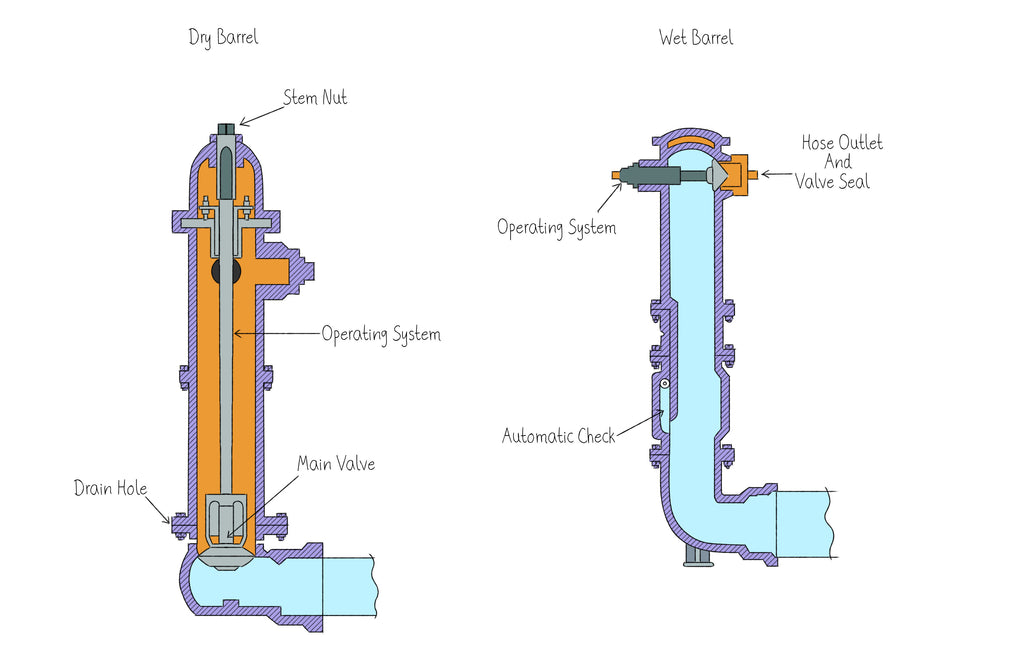
A few years ago while I was getting gas and just waiting for the pump to shut off, I watched a guy who fell asleep jump the curb and run over a hydrant across the street. It was pretty cool - his Fusion popped straight up like something out of Dukes of Hazard, then came down hard and stopped, with a growing pool of fluids pouring onto the sidewalk. He was okay, the hydrant wasn’t. I was a little disappointed that there wasn’t a geyser of water, but I later learned that (at least on this version) the hydrant’s valve is located below ground to prevent this sort of thing from become too entertaining.
I've seen a lot of them installed. The body is typically cast iron and not lightweight. They're not typically designed to break away like street lamps and many signs are.
The valve is assisted in sealing by the water pressure and must be forced downward to open. It is certainly possible to break them off but takes substantial force.
You see a lot of clever inboard suspension designs in Formula Vee, where both space and unsprung weight concerns make the NB look like a 1974 Cadillac Fleetwood by comparison.
I'm not quite certain that I see the point in a Miata, though looking at the totality of that under-hood environment, I suspect that the owner might be going for a "style over substance" approach.
Amusingly, coilover front suspension (and, later, rack-n-pinion steering) were the only meaningful mechanical differences between the Beetle and the Super Beetle, so, yeah. Braineack has a Type 997 Super Beetle.







 0
0