


3d printed intake for N/A NA miatas


Thread Starter

Joined: Jul 2012
Posts: 792
Total Cats: 143
From: durham NC

If the filter is an issue I have something more narrow from AEM and I can swap with you. Also, if you are going to go megasquirt I can install an IAT sensor in it for you.
Reply
 0
0

0



Little update from my end. Assuming all goes well with pick up and a dyno session, I should have back to back dyno comparisons of this intake vs. K&N's '99-'05 intake on Oregonmon's VVT motor.
Reply
0
0
Thread Starter
Joined: Jul 2012
Posts: 792
Total Cats: 143
From: durham NC
Thanks curly. At some point, could you guys log the IATs from the K&N setup? I have been doing my IAT testing by starting with a heat soaked car and then driving on the highway for ~30 minutes to see what temp it will cool off to.
Reply
0
0
Thread Starter
Joined: Jul 2012
Posts: 792
Total Cats: 143
From: durham NC
I made some progress on the carbon versions in the form of a final plug with a fully polished surface:
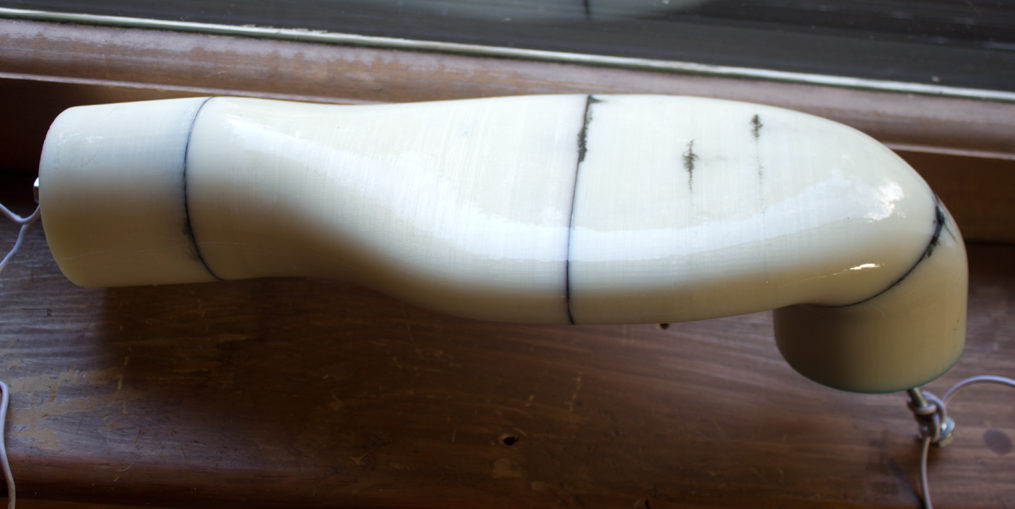
This is my second attempt at this plug- the first one I ruined and had to start over.
Time to make molds and then carbon parts.
This is my second attempt at this plug- the first one I ruined and had to start over.
Time to make molds and then carbon parts.
Reply
1
1

Thread Starter
Joined: Jul 2012
Posts: 792
Total Cats: 143
From: durham NC
This is slow going but I am getting closer to having composite versions. I got most of the work for my composites oven/work surface finished today:
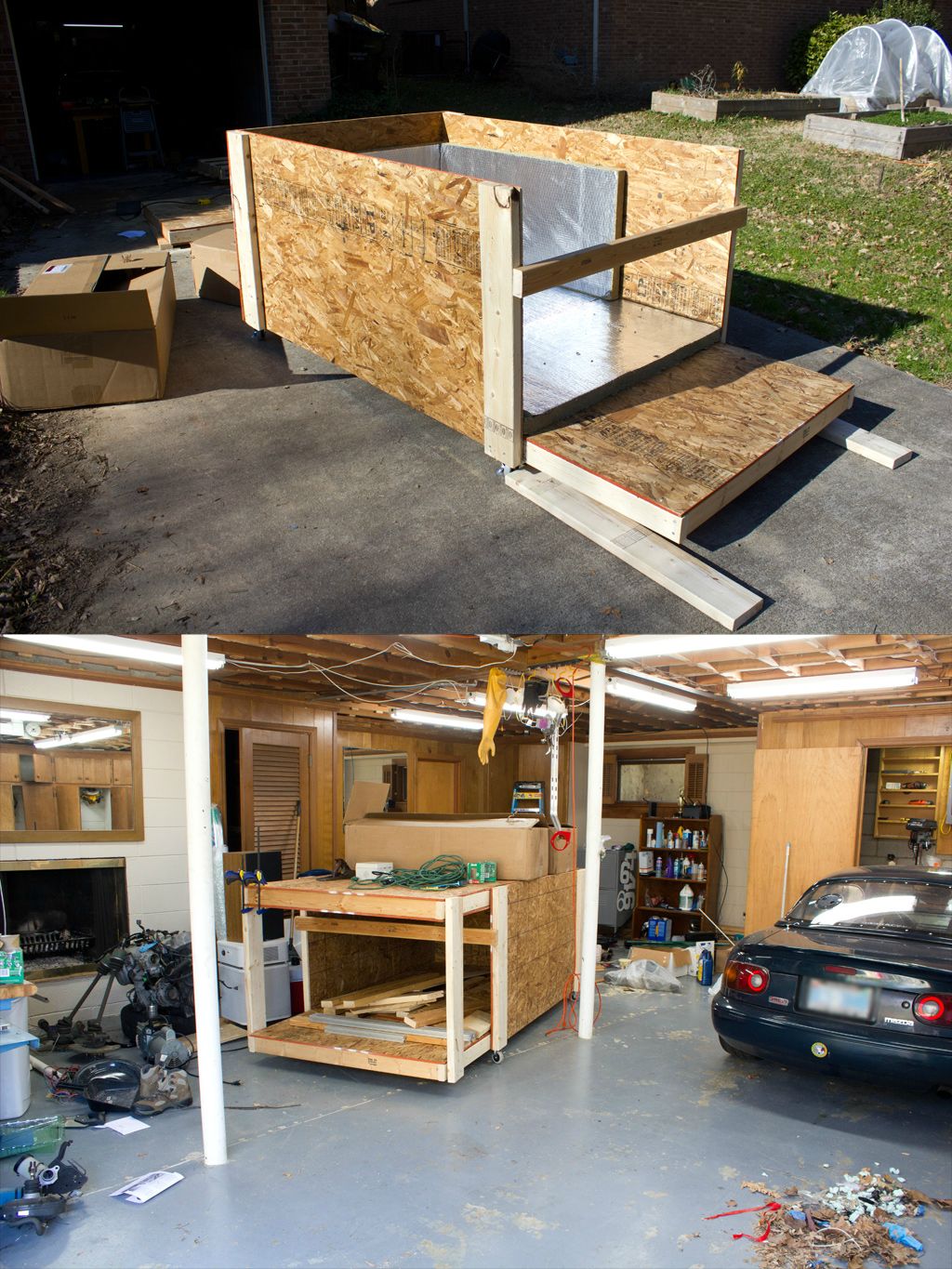
The internal area for the oven is 4'x6'x2' (minus rockwool thickness). It will be insulated with 2" thick foil faced rockwool that will be sealed with silicone and foil tape at the joints + a sheet metal pan for the bottom surface. I have a digital temp controller that can do ramp/soak functions along with an AC heating element. I need to source some all metal AC fans so I can circulate air inside.
The internal area for the oven is 4'x6'x2' (minus rockwool thickness). It will be insulated with 2" thick foil faced rockwool that will be sealed with silicone and foil tape at the joints + a sheet metal pan for the bottom surface. I have a digital temp controller that can do ramp/soak functions along with an AC heating element. I need to source some all metal AC fans so I can circulate air inside.
Reply
1
1


Daang !!! Where did everybody go ?
By all I know and think I know this intake should do nicely.
It was a few years ago when I toyed with the idea of going to a narrow radiator in order to pick up air from the front of the car.
The intake in this thread seems like an elegant solution.
I have an AFM that would need to sit -probably - in the radiator wash
By all I know and think I know this intake should do nicely.
It was a few years ago when I toyed with the idea of going to a narrow radiator in order to pick up air from the front of the car.
The intake in this thread seems like an elegant solution.
I have an AFM that would need to sit -probably - in the radiator wash
Reply
0
0


Thread Starter
Joined: Jul 2012
Posts: 792
Total Cats: 143
From: durham NC
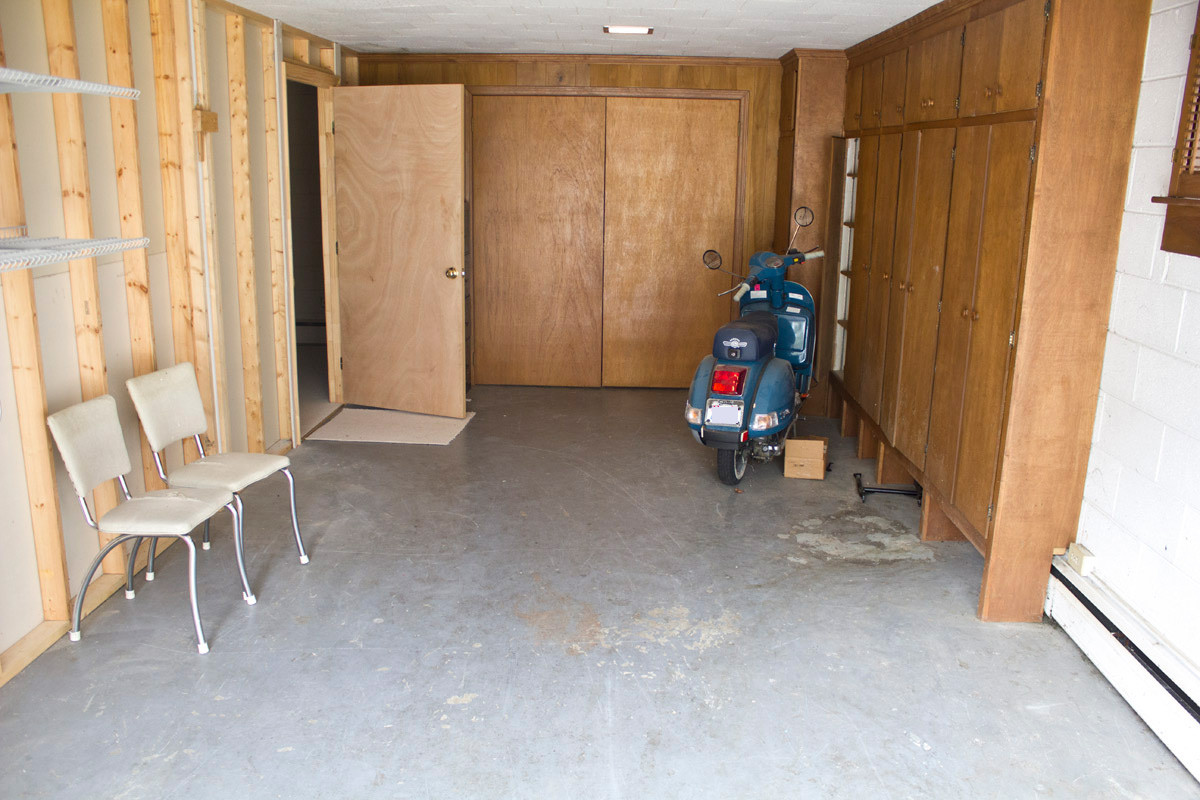
This was my garage when I moved in:
and then I rented a construction dumpster:
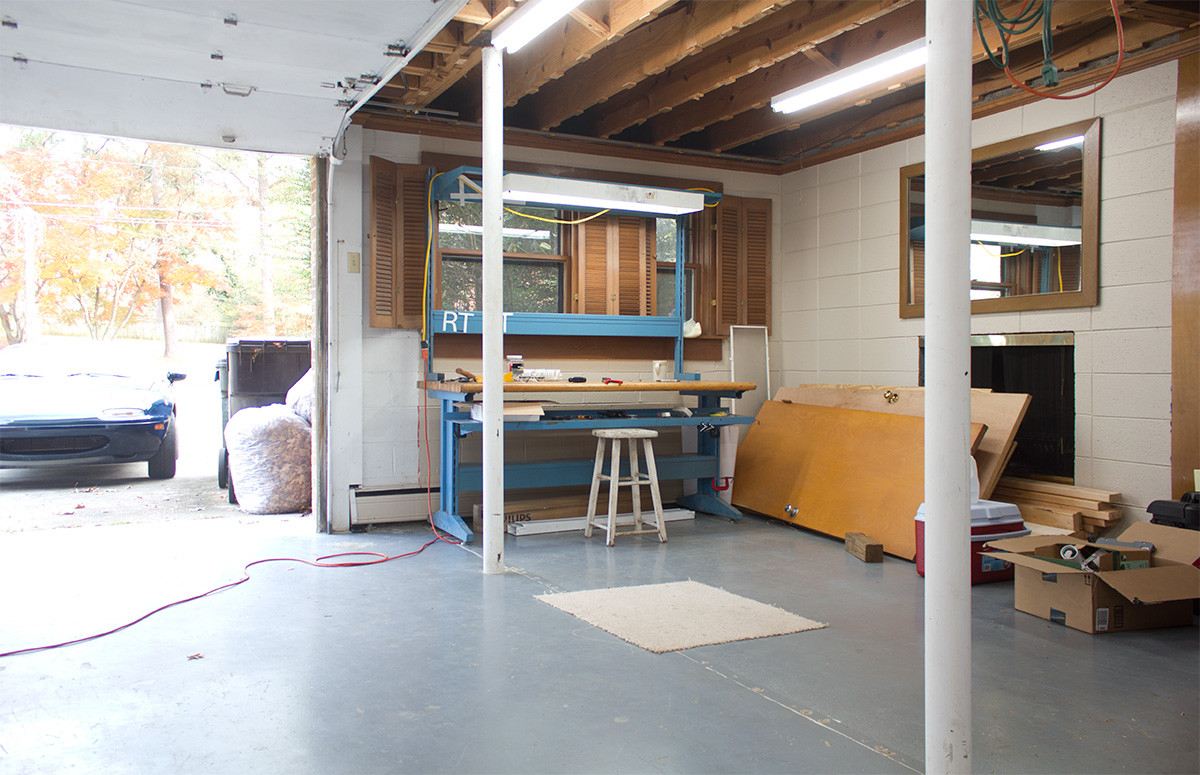
Poobs:
I am still making progress on carbon versions but it is very slow. I have an infant and work deadlines taking up the majority of my time.
Reply
0
0


Two things that might be worth determining and posting - Manometer readings at the base of your intake and a factory intake. Since we all tend to have different intake configurations, the stock intake could be a good reference point. It will also be cheaper than dyno time and probably significant.
Also, temperature reading close to the TB showing heat soak or how your intake resists heat soak plus steady state driving intake temperature.
IMO an intake that can optimize both of the above parameters is a winner.
Reply
0
0

Thread Starter
Joined: Jul 2012
Posts: 792
Total Cats: 143
From: durham NC
Maybe. They would need to be made from high temp pre-preg carbon and as a result they would end up being really expensive. Figure something around $700 for a set of two. I don't see many diy turbo people being interested in that.
The naturally aspirated intakes can be done with wet layup and more cost effective resin systems since they aren't under pressure and exposed to the same temps.
The naturally aspirated intakes can be done with wet layup and more cost effective resin systems since they aren't under pressure and exposed to the same temps.
Reply
0
0

1-2 wraps of normal carbon and just vac bagged over the 3d printing would be more than sufficient for charge pipes. They're not going to get any hotter than the normal elbow thats going over the radiator.
Reply
-2
-2
Thread Starter
Joined: Jul 2012
Posts: 792
Total Cats: 143
From: durham NC
No it wouldn't.
1) Clearance. The ABS requires a wall thickness that barely fits in the available space. The versions I have carbon skinned usually require hitting things with a hammer to make fit.
2) 'Normal' epoxy resins have a glass transition temp around 200F (that us composites resin is 150F which is why I stopped using it). The radiator surface temps are around 170F. A typical epoxy resin would be highly stressed by the combination of pressure and hotter temps.
3) Wet layup won't provide a consistent enough resin distribution of resin for a part under pressure. If a part for a naturally aspirated intake has small voids scattered through it its no big deal. It will stay air tight from surface coatings and those pinhole sized areas that aren't reinforced aren't under significant pressure.
4) Wrapping and vac bagging sounds nice and easy but it isn't. Vac bagging pressures are enough to crush an 2.5-3mm wall thickness ABS plastic part so the bag needs to be run through the middle of the part to support it from both sides. Getting a bag to sit inside a narrow complex shape without and bridging or without rupturing itself is a pain in the ***.
You might get away with this stuff as a DIY part but for anything you are going to sell you have to deal with a customer base that isn't going to treat it well and won't be pleased when their setup explodes and throws abrasive carbon bits into their engine.
1) Clearance. The ABS requires a wall thickness that barely fits in the available space. The versions I have carbon skinned usually require hitting things with a hammer to make fit.
2) 'Normal' epoxy resins have a glass transition temp around 200F (that us composites resin is 150F which is why I stopped using it). The radiator surface temps are around 170F. A typical epoxy resin would be highly stressed by the combination of pressure and hotter temps.
3) Wet layup won't provide a consistent enough resin distribution of resin for a part under pressure. If a part for a naturally aspirated intake has small voids scattered through it its no big deal. It will stay air tight from surface coatings and those pinhole sized areas that aren't reinforced aren't under significant pressure.
4) Wrapping and vac bagging sounds nice and easy but it isn't. Vac bagging pressures are enough to crush an 2.5-3mm wall thickness ABS plastic part so the bag needs to be run through the middle of the part to support it from both sides. Getting a bag to sit inside a narrow complex shape without and bridging or without rupturing itself is a pain in the ***.
You might get away with this stuff as a DIY part but for anything you are going to sell you have to deal with a customer base that isn't going to treat it well and won't be pleased when their setup explodes and throws abrasive carbon bits into their engine.
Reply
0
0
BTW asmasm I'm not above hitting things with a hammer if it will get me "something" for my efforts.
I'd rather not remove pieces of the hood suport but maybe even that can be on the plans .
I'd rather not remove pieces of the hood suport but maybe even that can be on the plans .
Reply
0
0
Thread Starter
Joined: Jul 2012
Posts: 792
Total Cats: 143
From: durham NC
The ABS part will clear on a stock radiator without hitting anything with a hammer (just barely). The all carbon versions pick up about 4mm of clearance and will fit easily.
Reply
0
0
Ok maybe just a tap then ...
I'm still wondering what such an intake will do to a stock N/A (?)
The dyno gains were very impressive but comparing an optimized cold side intake using an aftermarket ECU for timing and fuel to an equally optimized intake of your design is not directly transferable to my situation.
I might be able to tweak my AFM and static timing a bit ...
I'm still wondering what such an intake will do to a stock N/A (?)
The dyno gains were very impressive but comparing an optimized cold side intake using an aftermarket ECU for timing and fuel to an equally optimized intake of your design is not directly transferable to my situation.
I might be able to tweak my AFM and static timing a bit ...
Reply
0
0


