When you click on links to various merchants on this site and make a purchase, this can result in this site earning a commission. Affiliate programs and affiliations include, but are not limited to, the eBay Partner Network.
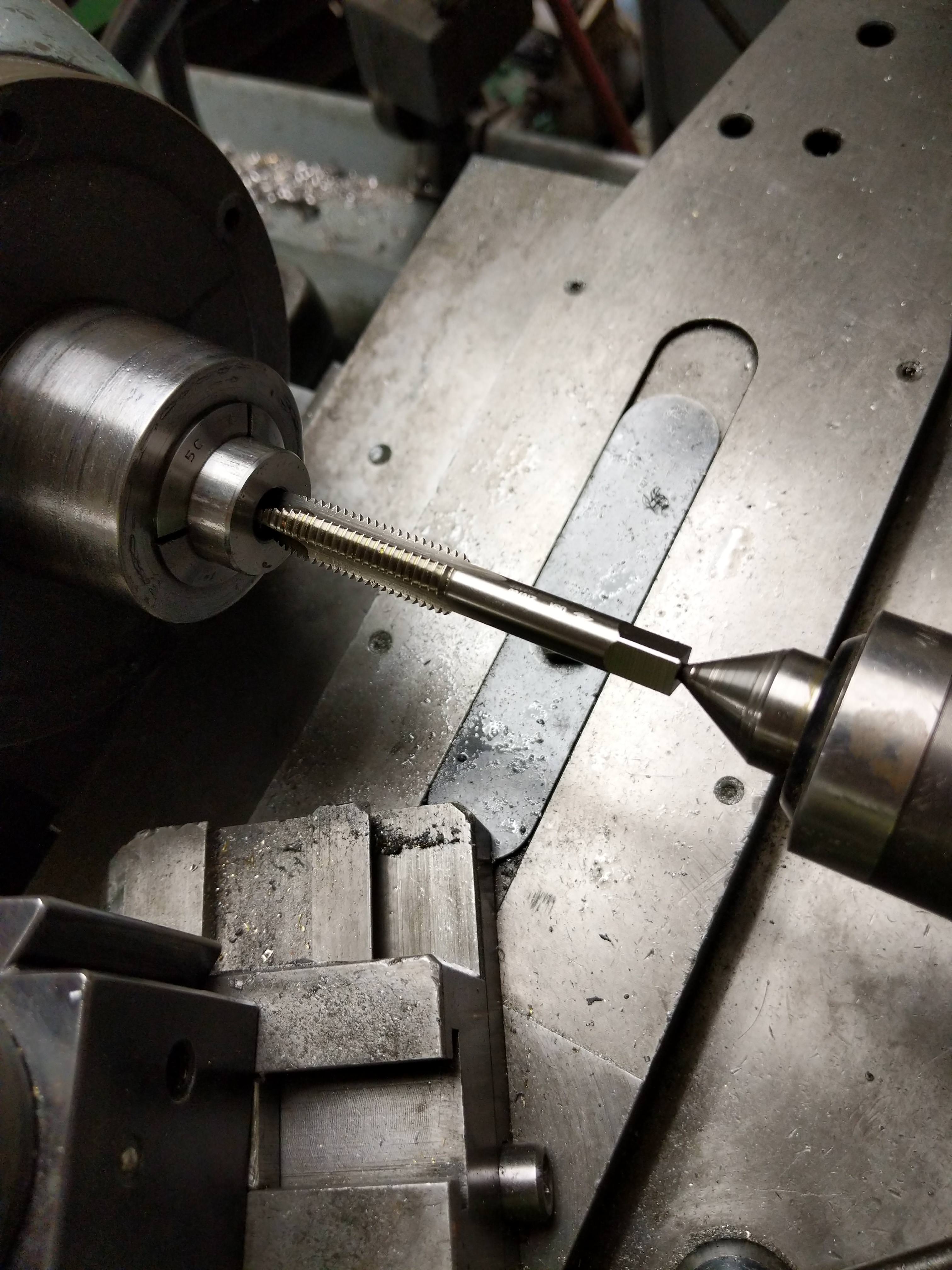
Got more junk in today. Adapter for the new oil line. 4an and a 1/8bspt plug for the oil sensor port. And some spare mocal sandwich plate o-rings. These just don't seem to last that long for me.
Ah ok. Will the bridge become hard from turbine heat? Im just bored and i have a yoitube video fresh in my mind. Only took a beginning metallurgy class, though.
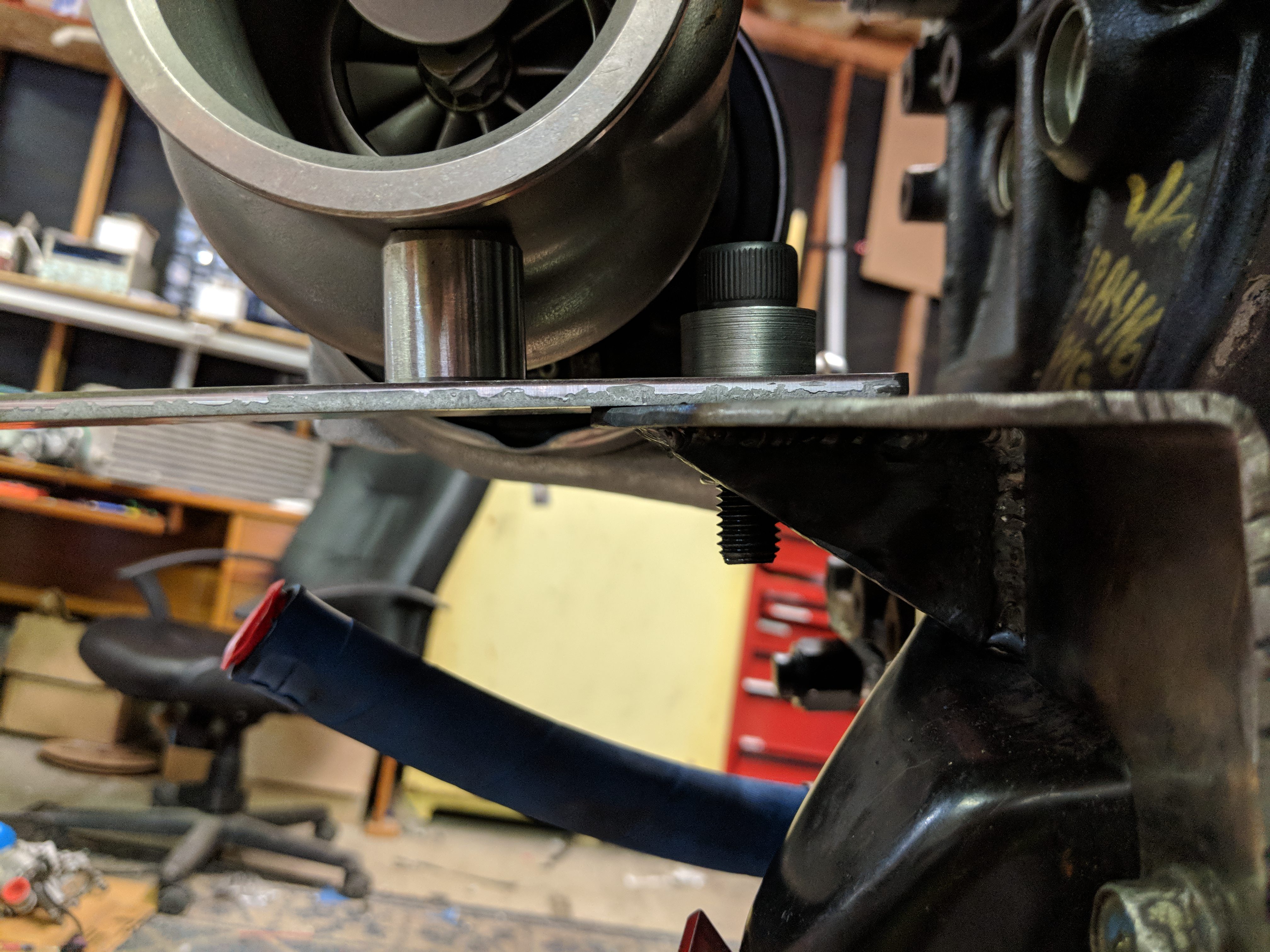
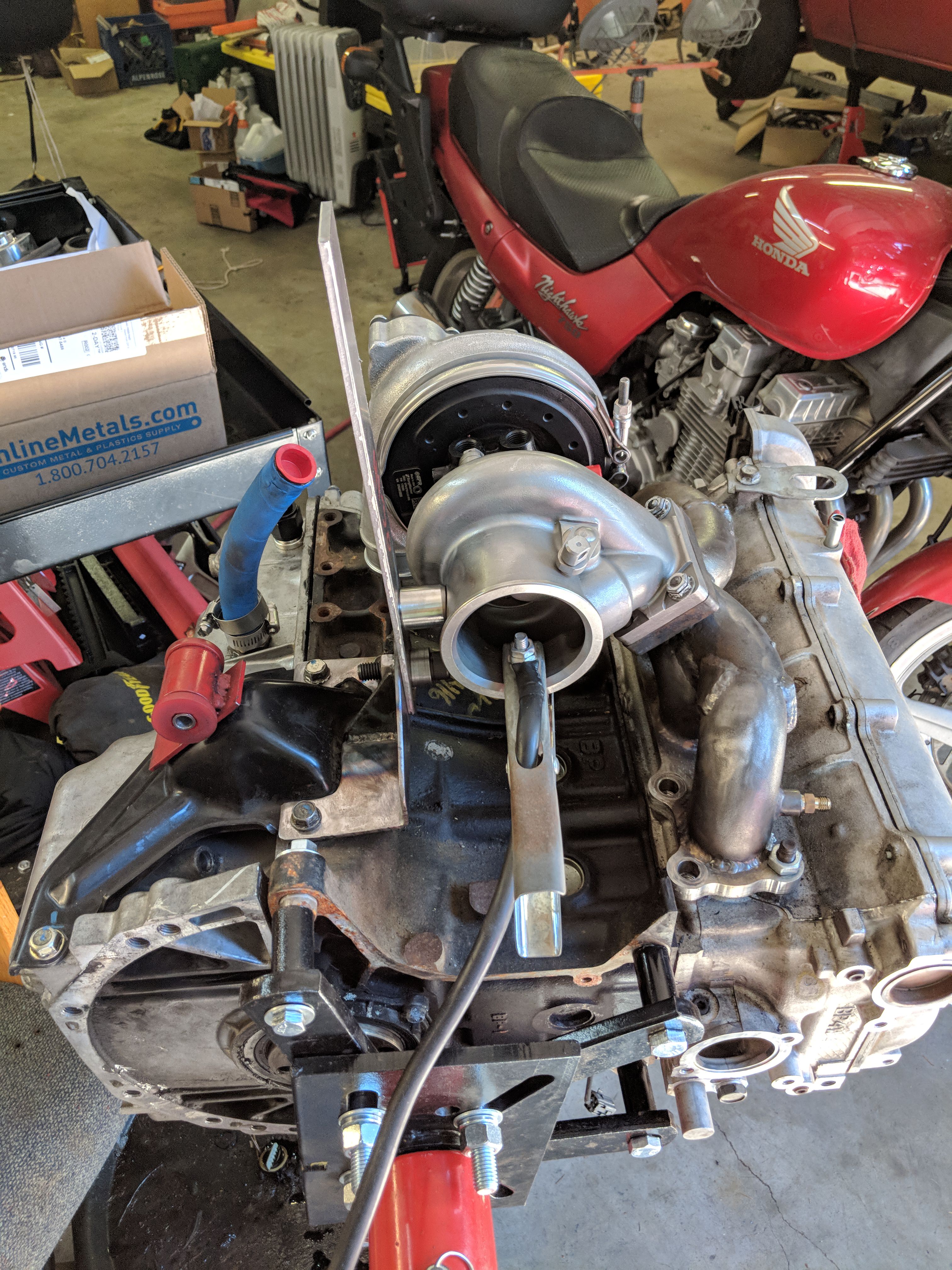
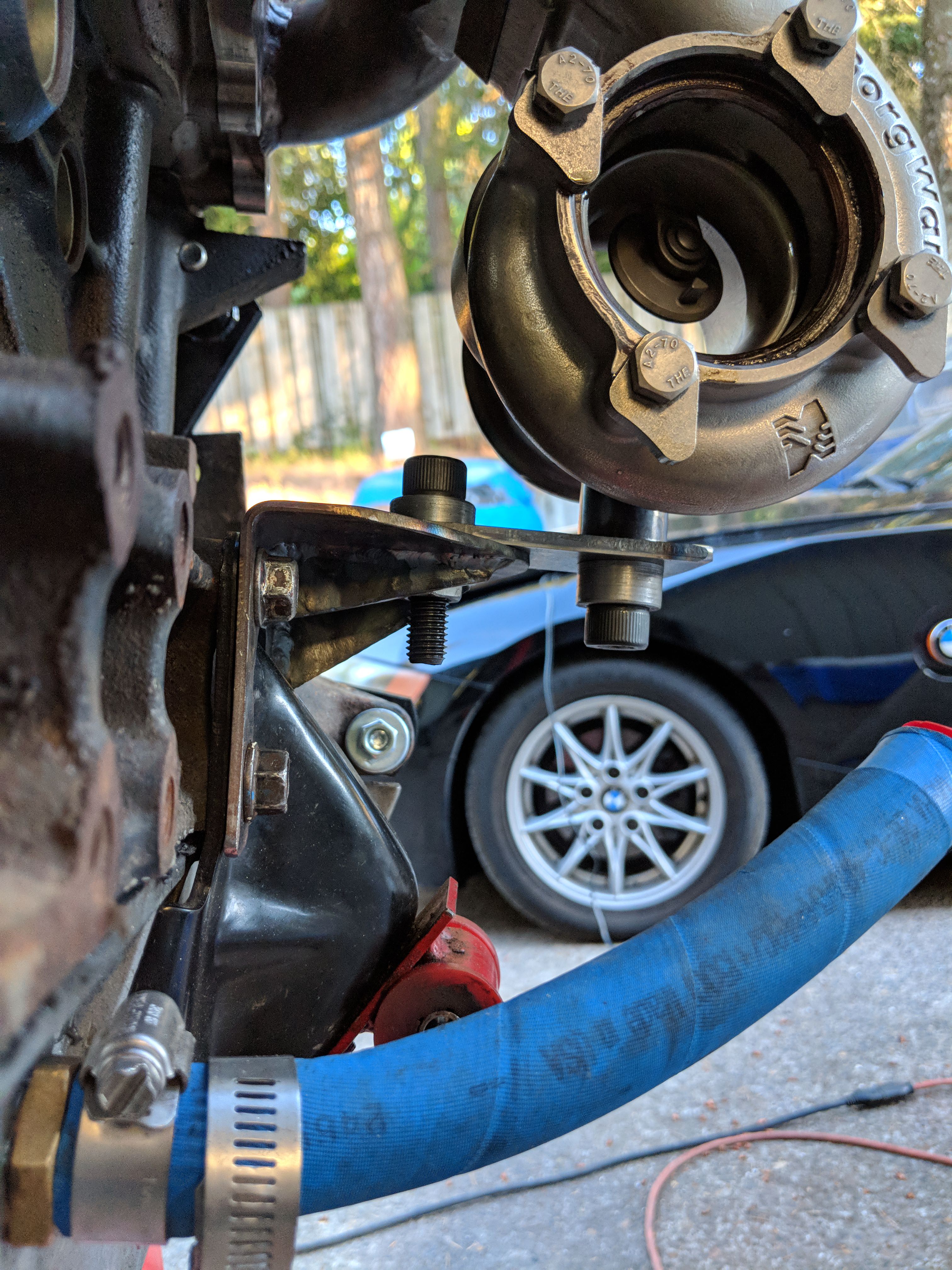
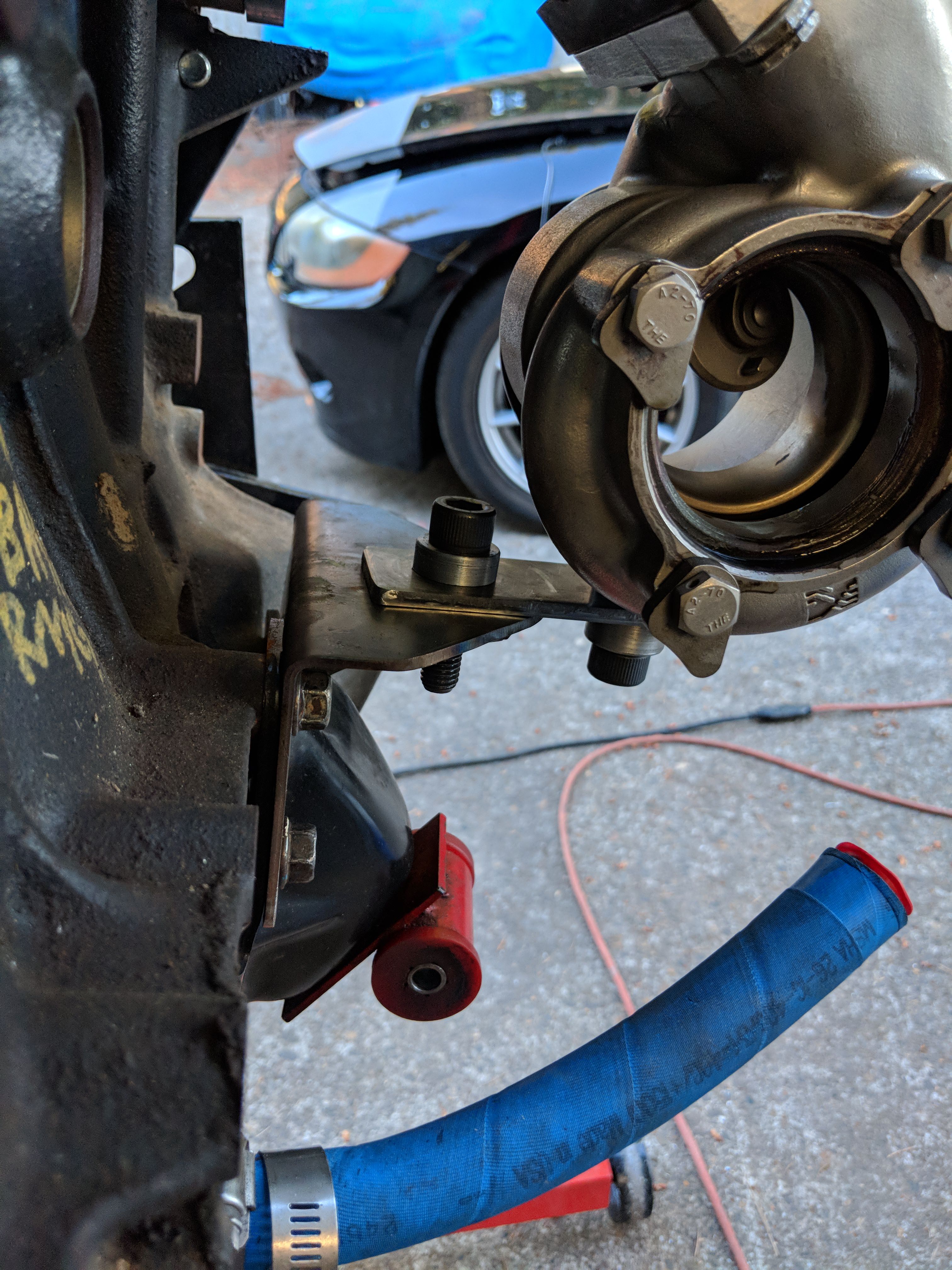
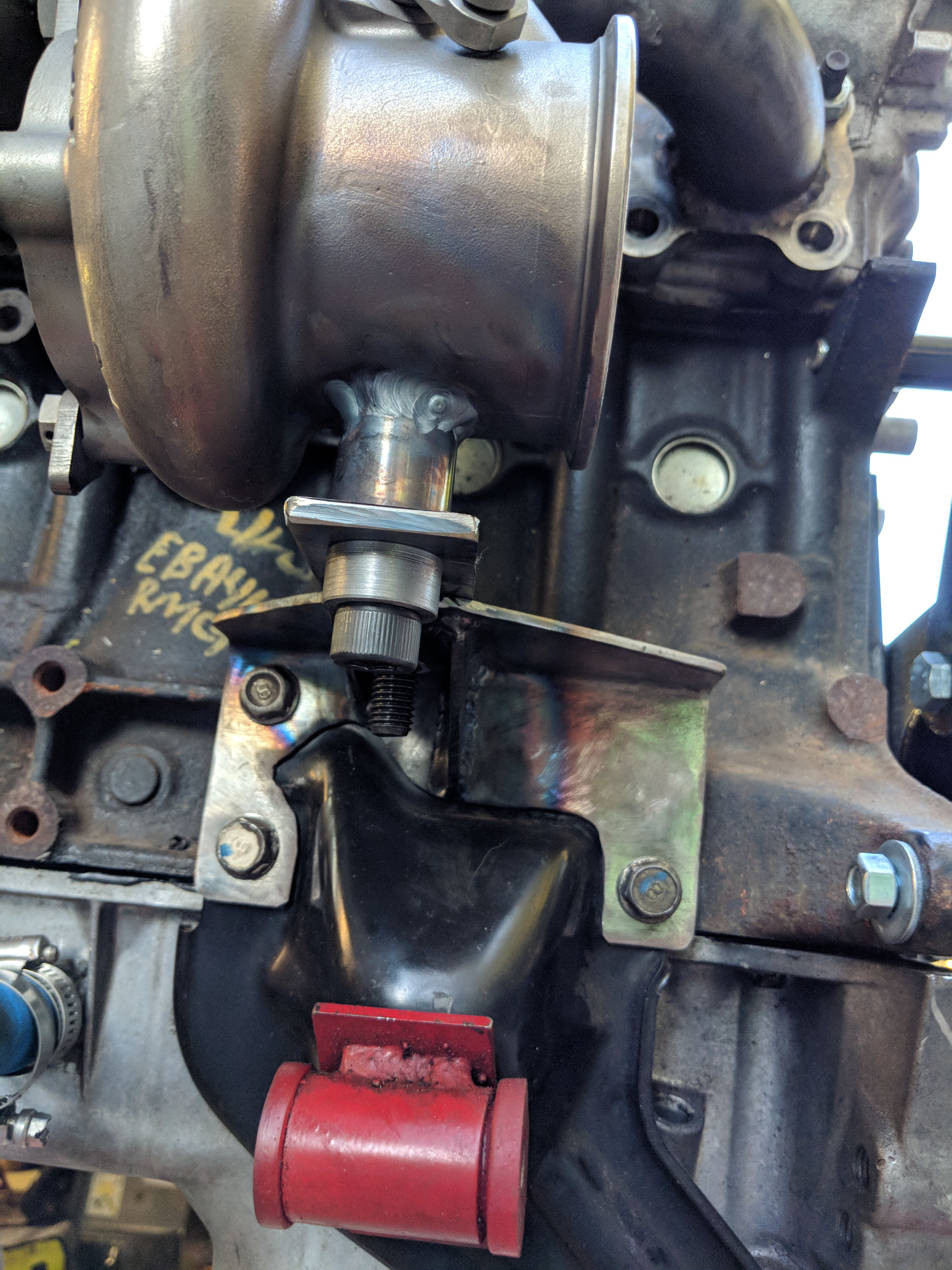
Probably best to keep that all as rigid as possible, a unit with the block. The give comes in when you start attaching parts of the exhaust to the body.
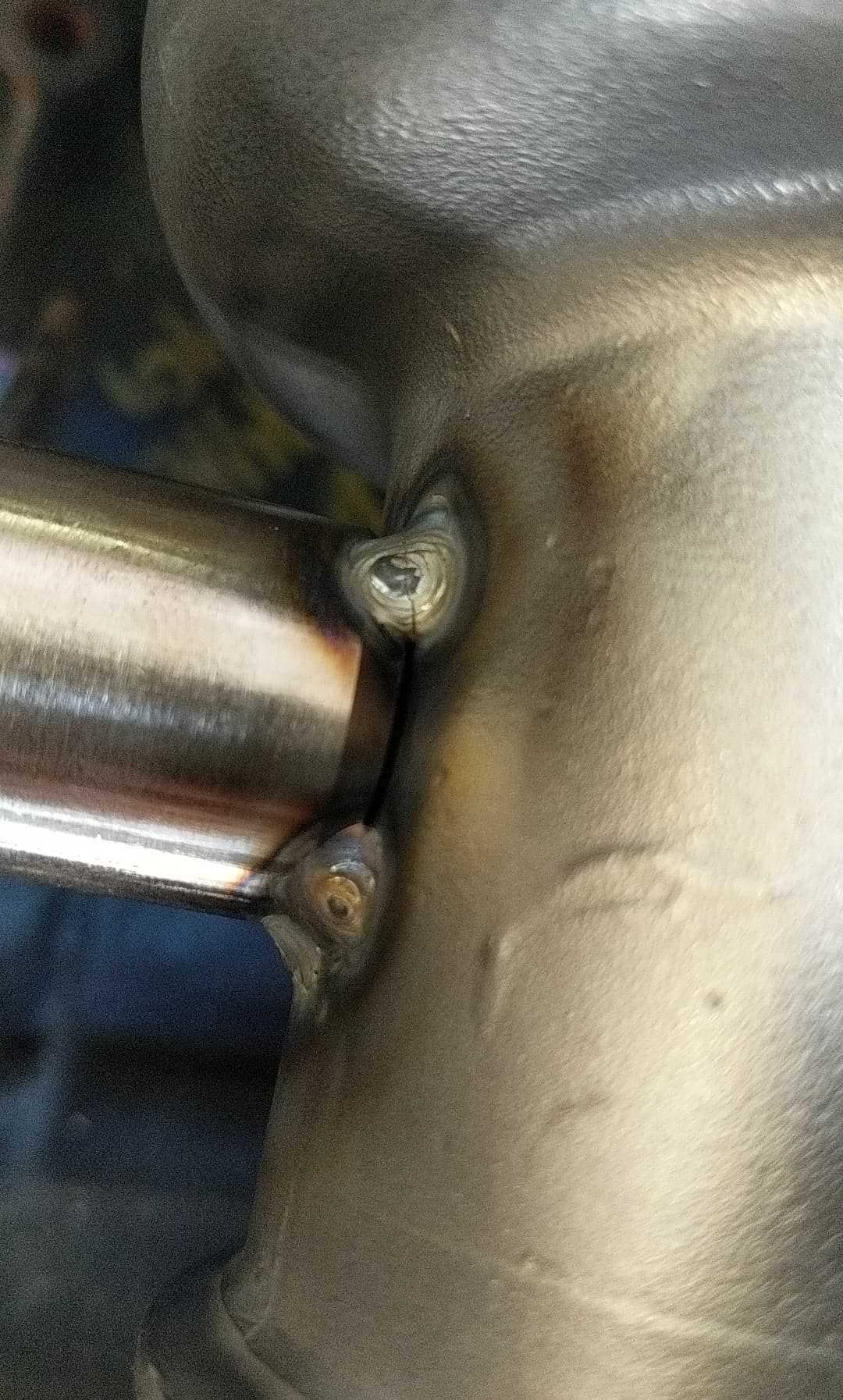
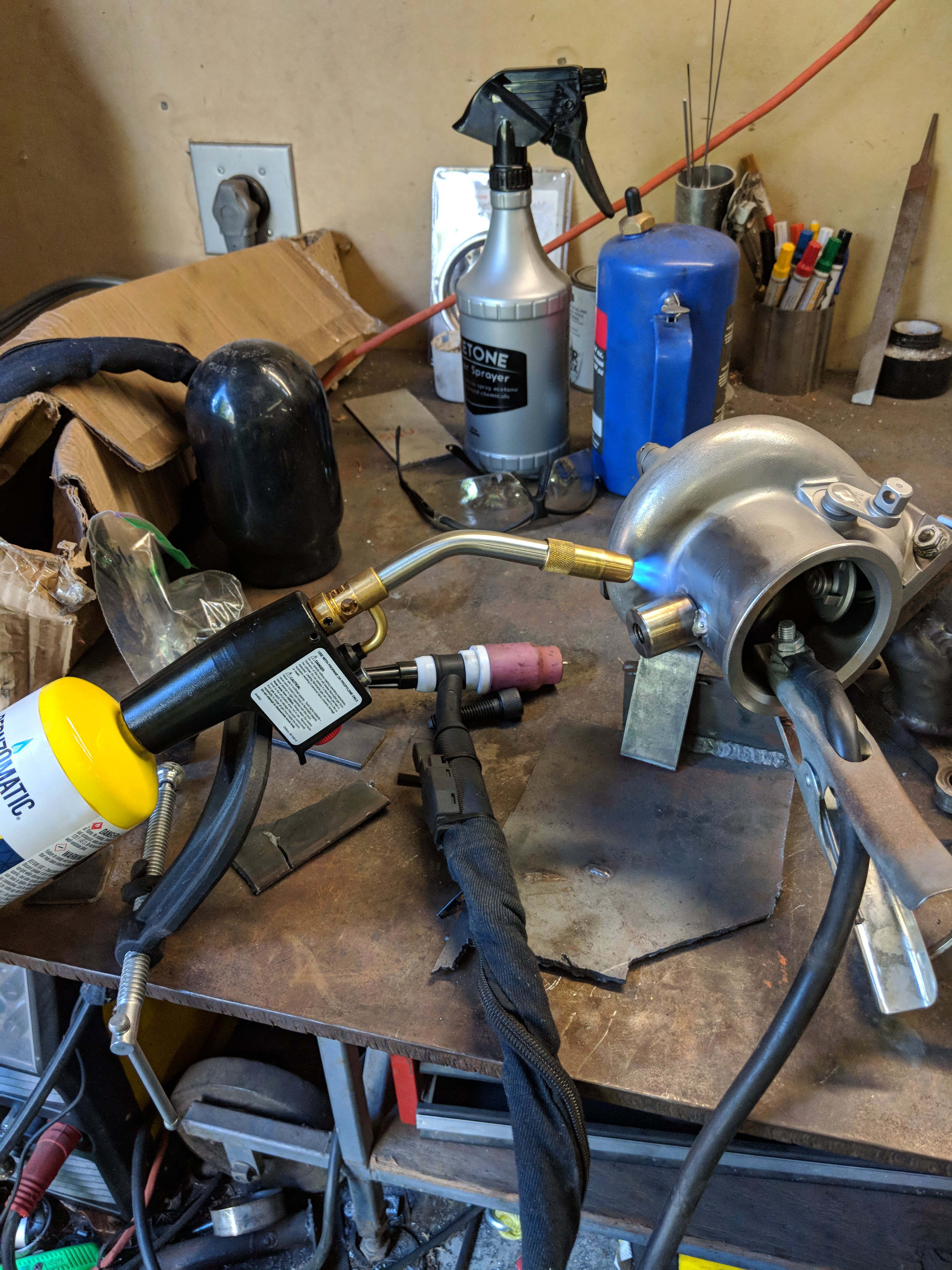
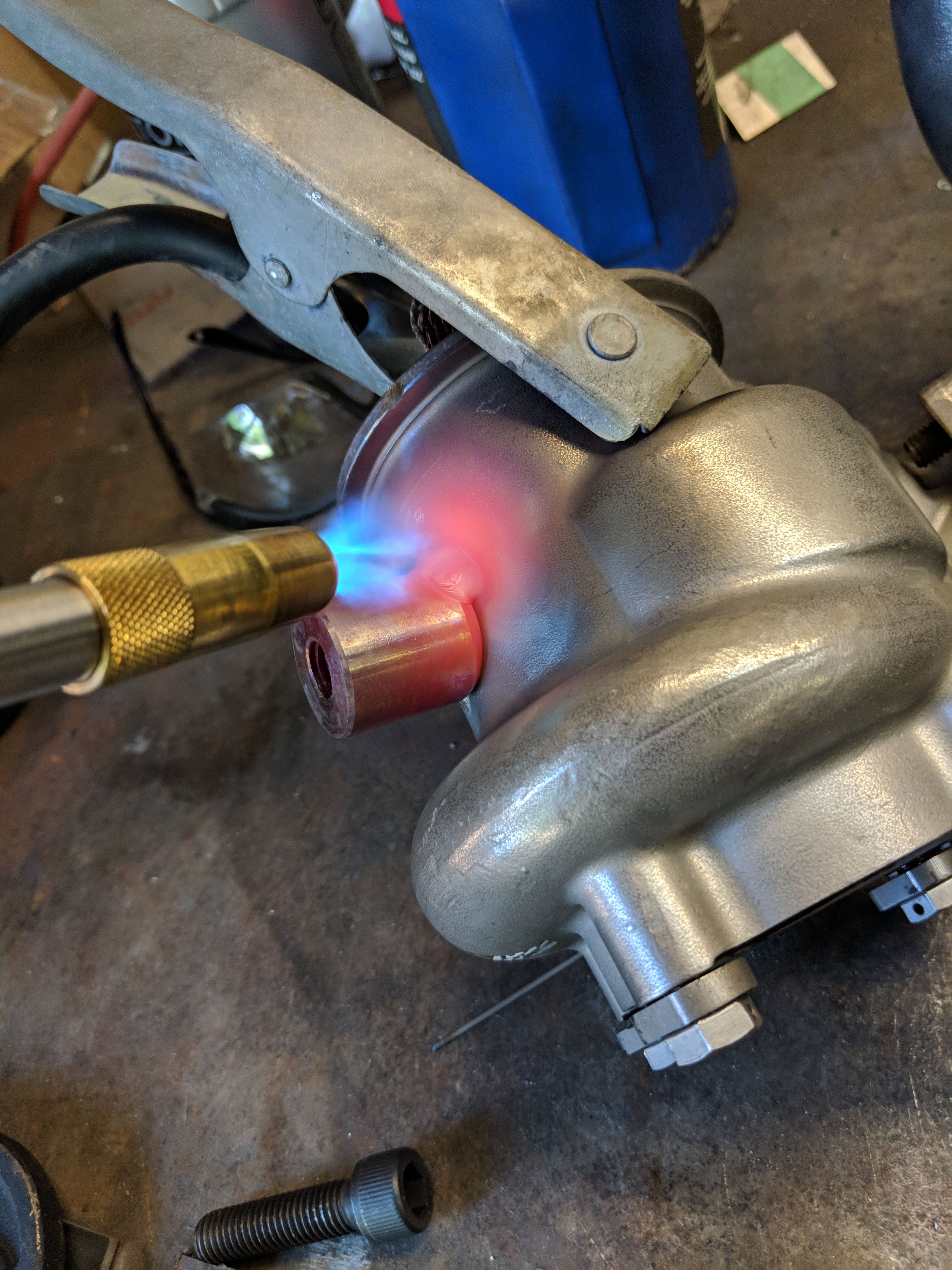
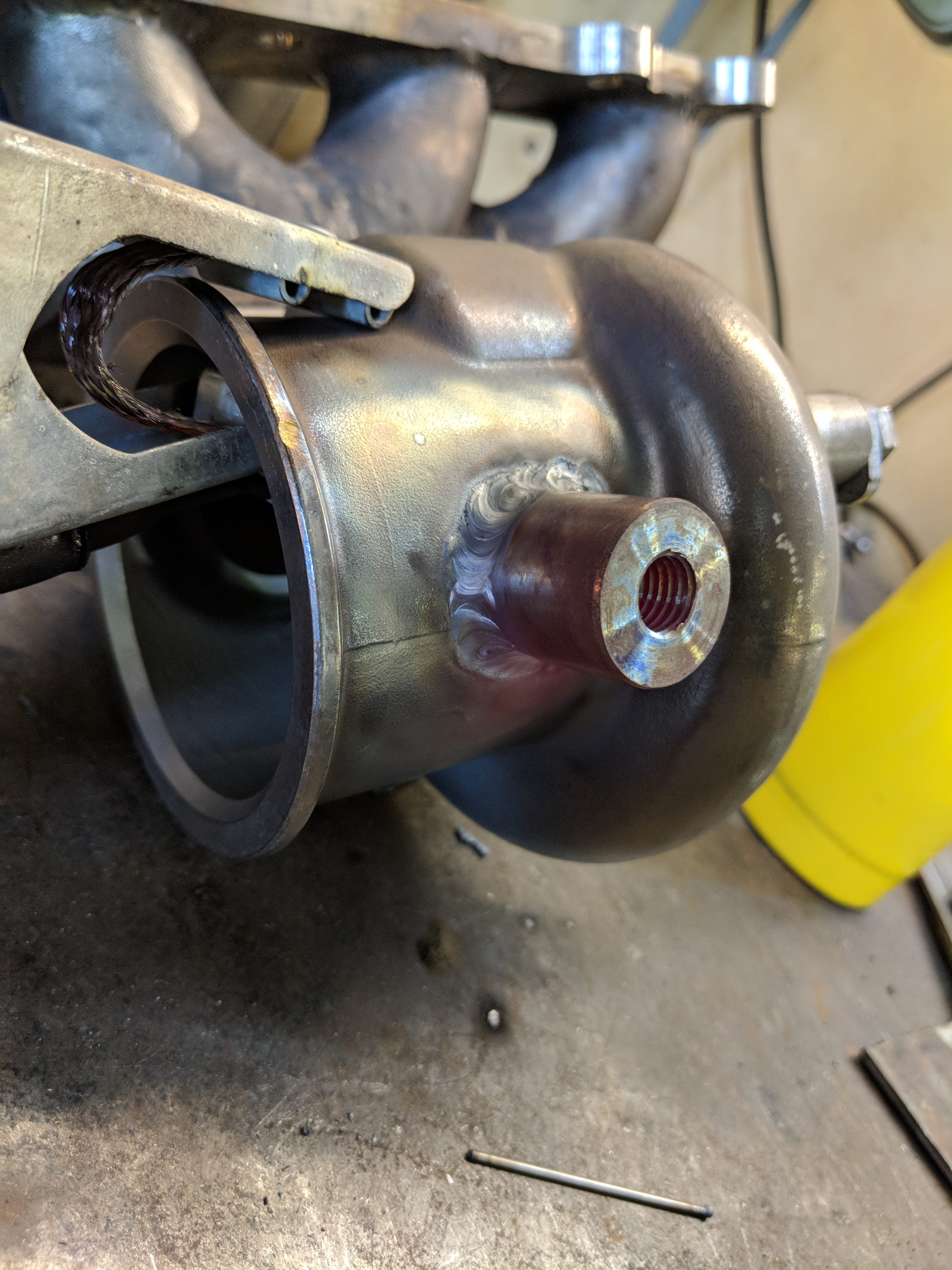
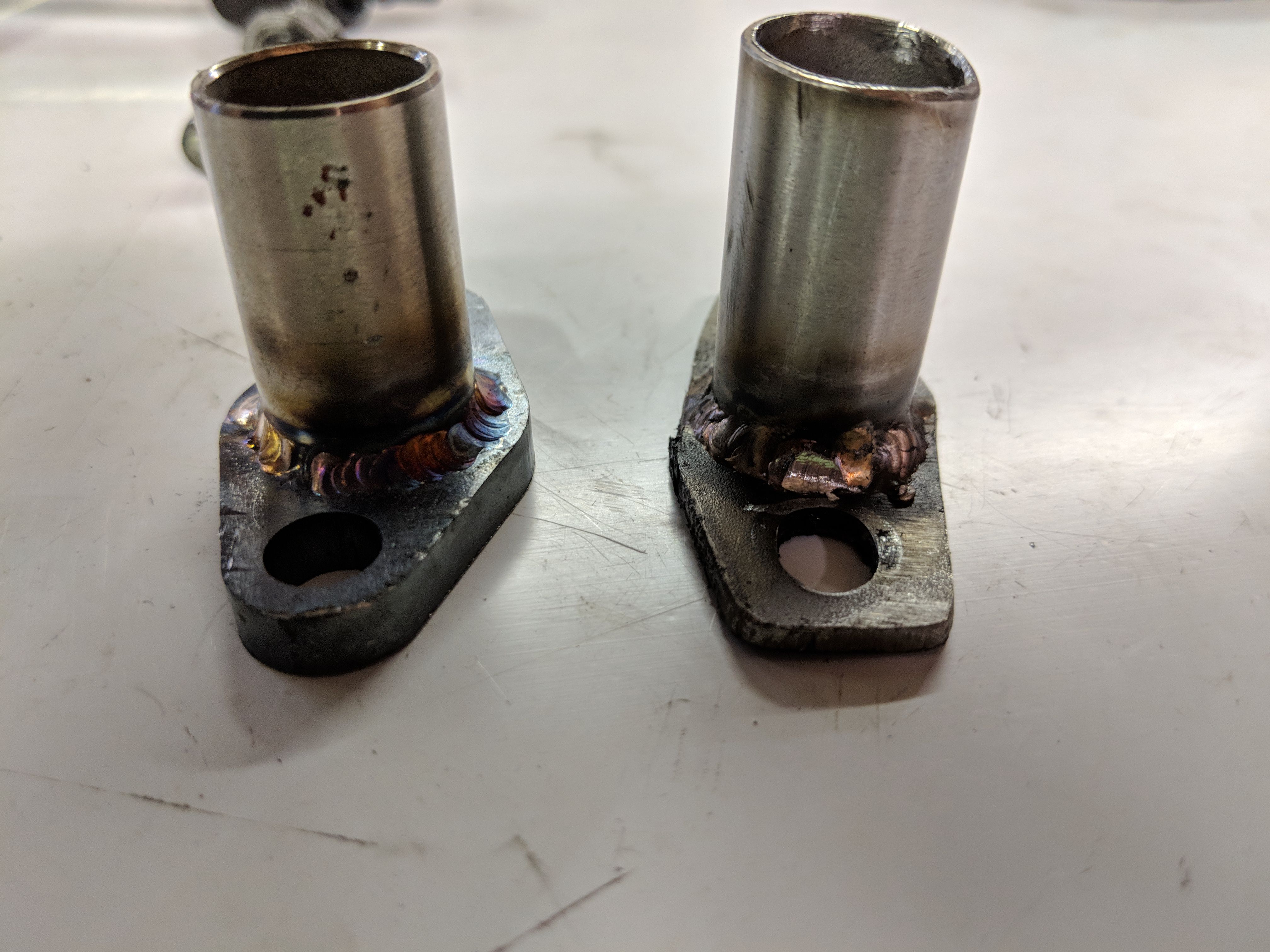
Nice job heating the thing to make it work.
Probably best to keep that all as rigid as possible, a unit with the block. The give comes in when you start attaching parts of the exhaust to the body.
Nice job heating the thing to make it work.
If it's too rigid the expansion of the metal in the manifold due to extreme exhaust heat can cause pressure on welds and crack them. It's needs to have at least a little give in it while still holding the weights of the turbo.
Quoting Brian's post about oil pan install so I can find it again
Originally Posted by neogenesis2004
- With rear main plate installed and oil pump installed, make sure the entire bottom mating surface of the block is clean. Use something strong like brake cleaner or acetone.
- Apply a continuous bead of permatex ultra grey all the way around bottom. Making sure to stay on the inside of all the oil pan bolt holes.
- Apply both rubber gaskets to the main seal plate and oil pump.
- Put a bead on top of each so that each end of the bead connects to the previous bead you laid.
- Next put on the windage tray.
- Apply another bead on the top edge of it on both sides. Again, making sure that each end of the bead makes contact with the original bead you laid down.
- Put on the oil pan.
- Bolt down bolts from the inside out to, I believe, 10FtLbs. Go over it a few times to make sure they are all to the correct tq.
Don't listen to the bs about not putting silicone on the rubber gaskets. If you use ultra grey it basically bonds to it like glue. It will create a nearly permanent seal.
If you make 100% sure that all surfaces are completely clean and dry by using an industrial cleaner I will guarantee that it will never leak from at the pan edge. I mean NEVER. Also, it will be hard as hell to remove once dry even if you wanted to take it off.
No way. It doesnt matter, any 3/8 drive is going to take way more than an in-lb torque wrench is meant to do. Like I mean find the cheapest one on aliexpress and that one will easily take 150ftlbs.
Yeah, 69-95 in/lbs. 5.75-7.9 ft/lbs. I don't like to trust anything but $400+ torque wrenches below ~20ft/lbs or m8 bolts.
Meh. Nothing with that level of torque/bolts that small fasten anything important to the engine (in that the torque spec needs to be extremely exact for the item to work/be safe). You are looking for an even, sufficient tightening of all the oil pan bolts, and any old torque wrench with a half-decent calibration (like a fresh HF wrench) will do that just fine.
Last edited by Savington; Jun 28, 2018 at 01:06 AM.








 0
0